Steel Tape vs Steel Wire Armoured Cable: Which Fits Your Underground Project?
Compare steel tape and steel wire armoured cables for underground projects. This guide explains construction differences, installation considerations, water exposure and earthing requirements. Learn what to check when comparing Hongce YJV22 and YJV32 cables, requesting quotations and reviewing supplier documentation to select a cable that meets your project’s electrical, mechanical and environmental requirements.
Choosing between steel tape and steel wire armoured cable requires more than comparing prices. Contractors and procurement teams must consider mechanical loads, installation conditions and the complete cable specification.
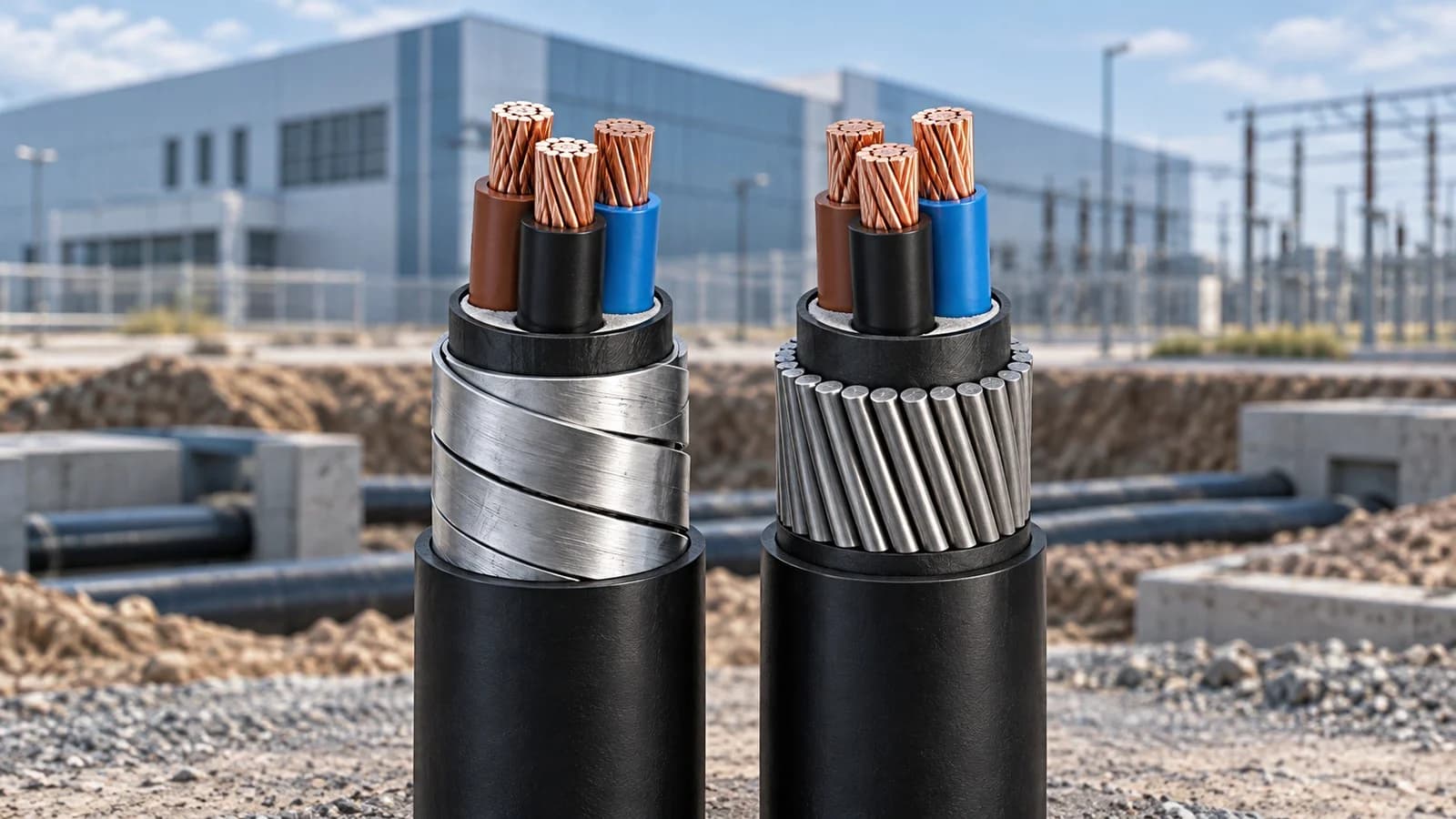
Steel tape armour (STA) and steel wire armour (SWA) provide different forms of mechanical protection. Neither suits every underground installation. This guide focuses on fixed power cables, particularly multicore designs.
Steel Tape vs Steel Wire Armour: Key Differences
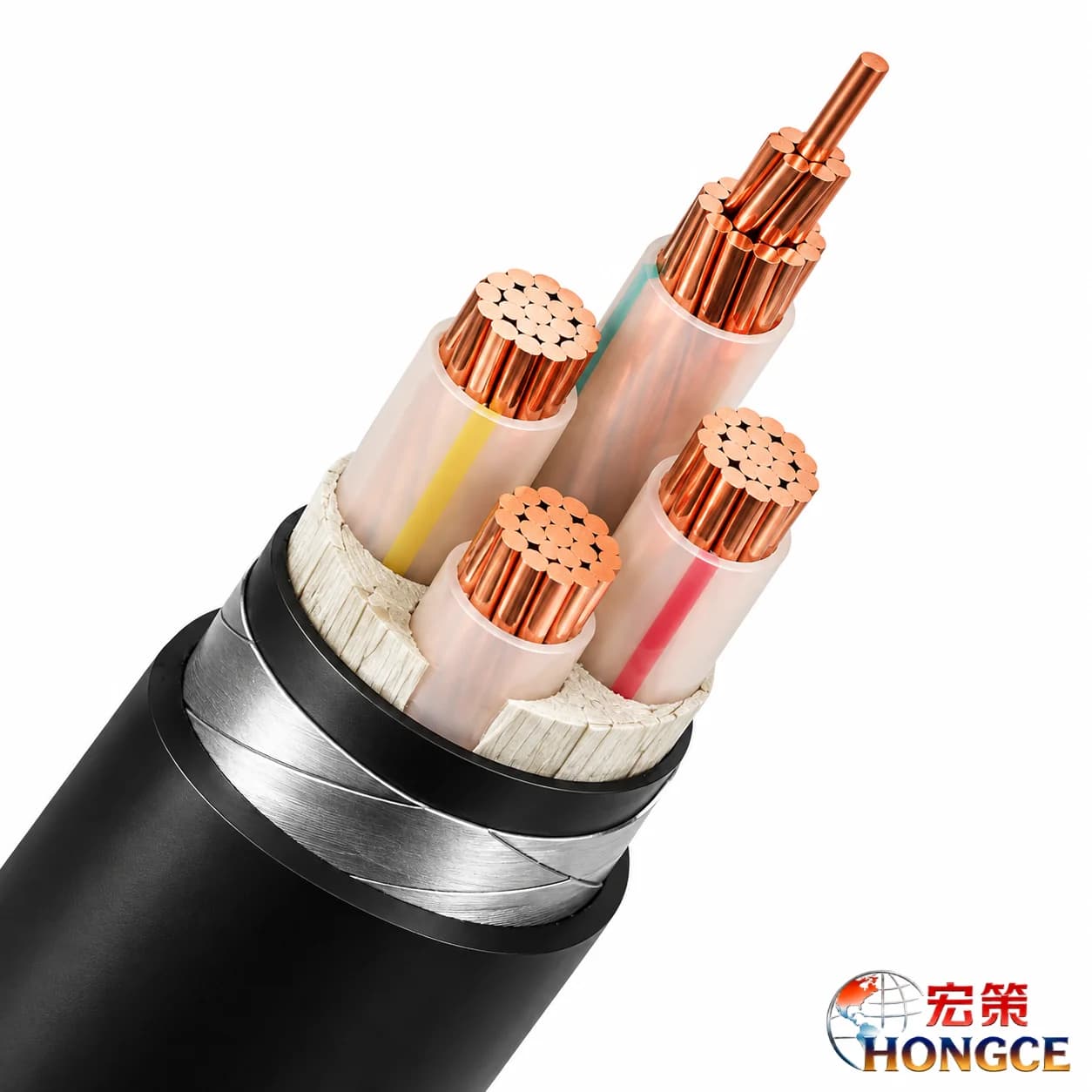
Steel Tape Armoured Cable (STA)
STA uses steel tapes beneath the outer sheath to provide mechanical protection. Tape material, thickness and arrangement form part of the complete cable design.
Its presence does not establish a specific impact, crush or pulling rating. Request the applicable specification and supporting data before selecting a product.

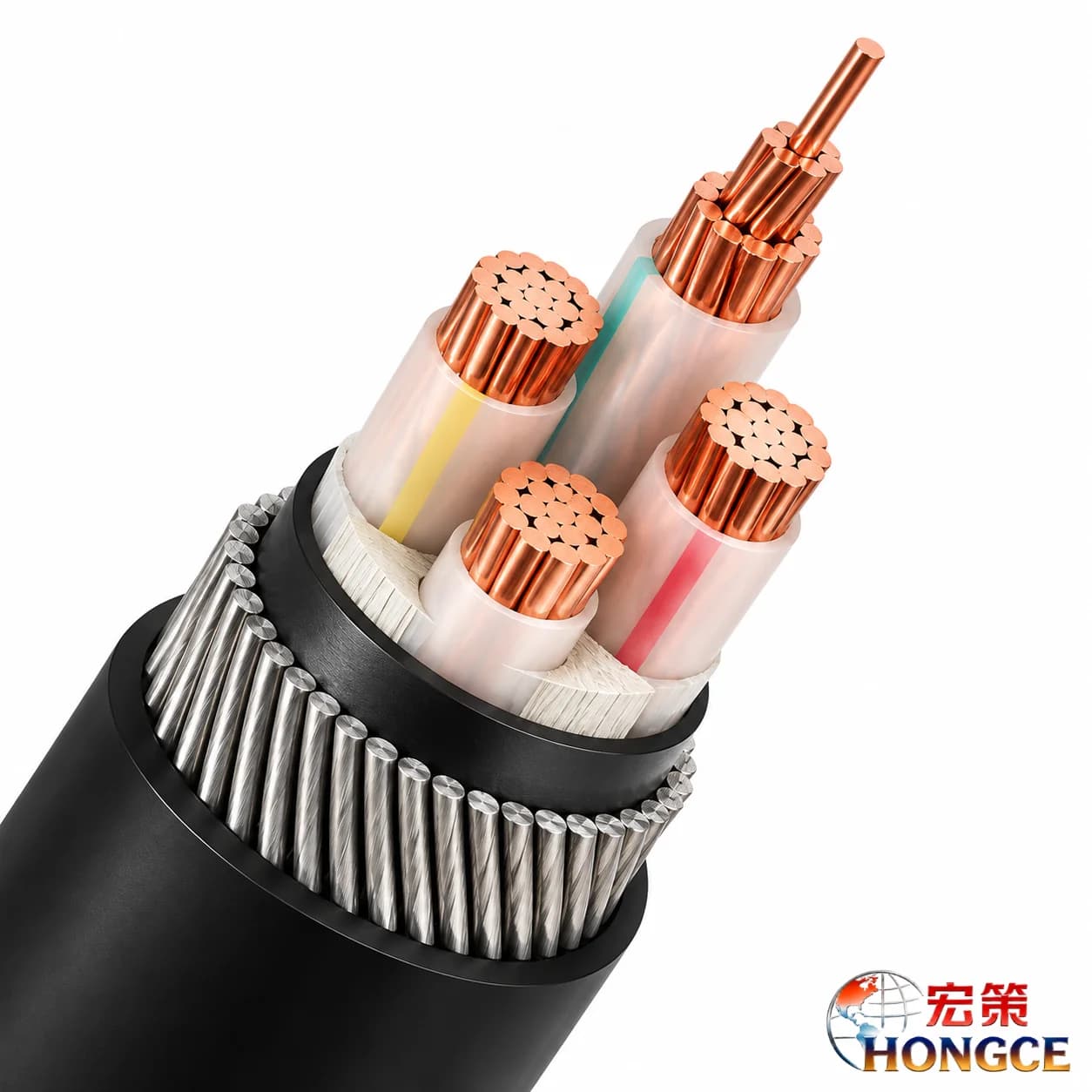
Steel Wire Armoured Cable (SWA)
SWA uses steel wires beneath the outer sheath. Wire armour can support designs with greater tensile requirements, but allowable loads depend on the product and pulling method.
Tratos’ armoured cable overview explains why armour construction must match mechanical requirements.

Selection point | What buyers should confirm |
|---|---|
Mechanical protection | Evidence that the complete cable meets specified loads |
Installation | Permitted pulling method, tension and bending radius |
Handling | Actual cable diameter and weight |
Accessories | Compatibility with the selected armour construction |
Cost | Comparable electrical requirements, scope and documentation |
Do not assume one type is always lighter, more flexible or cheaper. Compare current datasheets and equivalent quotations.
Which Armour Fits Your Underground Installation?
Direct Burial in Stable Ground
First confirm that the complete cable is suitable for direct burial. Review soil conditions, burial depth, bedding, nearby services and expected surface activity.
STA may be considered where its documented limits meet the design. SWA may also be suitable. The decision should reflect the route and installation plan rather than a general preference.
Ducts, Long Pulls and Changes in Level
Ducted routes require assessment of pulling tension and sidewall pressure. Route length, bends, cable weight and friction affect installation loads.
For slopes or vertical sections, also review axial loading and support arrangements. Wire armour may merit consideration where tensile demands are significant, but product-specific evidence remains necessary.
Prysmian’s technical guides cover pulling tensions, bending radii and related installation issues. Use them as background, then obtain limits for the exact cable being purchased. Do not transfer another product’s parameters directly into your installation plan.
Document these conditions before requesting quotations. Ask the designer to distinguish mandatory requirements from features that allow alternatives, and involve the installer when reviewing complex routes.

Essential Checks Beyond Armour Type
Single-Core AC Cables
Magnetic armour can cause additional losses and heating in single-core AC cables. Non-magnetic constructions, such as aluminium wire armour, are commonly used instead.
State whether the system uses AC or DC and whether the cable is single-core or multicore. A multicore STA–SWA comparison should not be applied directly to a single-core AC feeder.
Water Exposure and Sheath Requirements
Metallic armour is not a waterproof barrier. Assess the outer sheath, sealing and any water-blocking requirements separately.
Tell the supplier about standing water, drainage and possible contamination. Occasional dampness and permanent waterlogging require different consideration. Where cables enter buildings, confirm applicable fire-performance requirements as well.
Earthing and Terminations
Confirm the armour’s intended electrical role with the project designer. Do not assume it automatically meets protective-conductor requirements.
Review earthing, bonding, glands and terminations alongside the cable specification. Accessories must match the actual construction and dimensions.
How to Prepare a Useful Cable Enquiry
Include the Information Needed for Selection
A clear request for quotation should specify:
- Rated voltage, AC or DC, conductor material, core count and cross-sectional area.
- Installation method, route length, bends and level changes.
- Environmental conditions and expected mechanical loads.
- Required insulation, sheath and armour construction.
- Applicable standards, inspection documents, delivery lengths and drum schedule.
For relevant low-voltage designs, IEC 60502-1:2021 covers construction, dimensions and testing within its stated scope. Confirm the correct standard for the project; it does not cover every medium-voltage cable.
Compare Hongce YJV22 and YJV32 Options
Hongce offers YJV22 steel tape armoured cable and YJV32 steel wire armoured cable, both listed as 0.6/1kV copper XLPE products.
Request matching conductor sizes, core counts and sheath requirements before comparing dimensions, installation limits and prices. A model designation alone does not prove compliance with every international specification.
Check Total Cost and Documentation
Include handling, accessories, installation labour and inspection costs alongside the cable price. Compare the same delivery scope and distinguish quotations from estimates.
Before dispatch, check that cable descriptions, order references and drum identification agree across the documents. BASEC’s specification guidance explains why testing and reporting belong in the purchasing specification.
Check that each report applies to the offered construction. A compliance statement is different from certification, and neither should be assumed to cover products outside its stated scope.
Discuss Your Underground Cable Requirements with Hongce
A useful STA–SWA comparison begins with a defined route, documented requirements and evidence for the proposed cable.
Send Hongce your voltage, conductor size, core count, installation method and project standards to discuss suitable options.
Contact Hongce Cable for a project-specific enquiry.
Final selection should follow the project design, applicable rules and product documentation. External references provide technical background and do not imply endorsement of Hongce products.
About the Author
Junjie Cheng – Senior Cable Engineer at Hongce Cable Junjie Cheng is the Senior Cable Engineer at Zhejiang Hongce Cable Co., Ltd., specializing in power cable design, manufacturing processes, and international quality control. He leads Hongce Cable’s technical team to deliver customized cabling solutions for global infrastructure and power grids. Mr. Cheng specializes in the engineering of medium-to-high voltage cables. He recently spearheaded the successful technical review and production of a RMB 5.5 million (approx. USD 760K) export project to Malaysia, delivering high-performance YJLV 6/10KV 3*150 mm² XLPE insulated aluminum power cables. His deep expertise in triple-layer co-extrusion and drum twister cabling guaranteed the strict mechanical and electrical performance required for Malaysia's power environment. Under his technical guidance, Hongce Cable ensures all products comply with IEC, BS, ASTM, and CE certifications, providing safe, efficient, and certified power transmission solutions to global B2B buyers.