Anti-Termite & Waterproof: Cable Sheathing Materials Guide for Southeast Asian Underground Projects

Southeast Asia’s tropical climate threatens underground cables. Learn anti-termite & waterproof sheathing solutions from Hongce Cable’s proven $110K project.
Introduction: The Hidden Challenge in Southeast Asian Infrastructure
Southeast Asia's infrastructure boom presents enormous opportunities for cable manufacturers. However, the region's unique tropical climate creates specific technical demands that standard cables often fail to meet. For underground power distribution projects across Malaysia, Indonesia, Thailand, and the Philippines, two primary threats compromise cable longevity: termite infestation and water ingress.
At Hongce Cable, we learned this lesson firsthand through a landmark project with a Malaysian cable distributor. When we visited the local site, we discovered that the environment and climate posed serious challenges for cable sheathing. The high humidity, frequent rainfall, and aggressive termite populations required specialized protection that off-the-shelf products couldn't provide. This experience led us to develop customized sheathing solutions that ultimately secured a $110000 order and established our reputation for technical expertise in the region.
This guide draws on that practical experience and our over 20 years of manufacturing IEC-certified cables to help project engineers and procurement professionals select the right sheathing materials for Southeast Asian underground installations.
Understanding the Southeast Asian Threat Environment
The Termite Challenge
Southeast Asia is home to over 400 termite species, with Coptotermes gestroi (Asian subterranean termite) and Macrotermes gilvus being particularly destructive to buried cables. These insects are attracted to the warmth and vibration emitted by energized cables, and they can chew through standard PVC sheathing within months.
Key risks:
- Cable jacket perforation leading to insulation exposure
- Moisture penetration through termite-damaged areas
- Short circuits and power outages
- Premature cable failure (5-10 years vs. expected 30+ years)
- Introduction: The Hidden Challenge in Southeast Asian Infrastructure

Southeast Asia's infrastructure boom presents enormous opportunities for cable manufacturers. However, the region's unique tropical climate creates specific technical demands that standard cables often fail to meet. For underground power distribution projects across Malaysia, Indonesia, Thailand, and the Philippines, two primary threats compromise cable longevity: termite infestation and water ingress.
The Water Ingress Problem
Tropical rainfall averaging 2,000-4,000mm annually, combined with high humidity (80-90%), creates ideal conditions for water penetration. The phenomenon of water treeing is widely recognized as one of the most important causes of breakdown in polymer-insulated power cables.
In Malaysia, industrial pollution and soil salinity become sources that threaten XLPE cable performance. Studies have found that the acidity level of water has a greater influence on the growth of bow-tie trees in XLPE insulation compared to salinity levels. Therefore, special attention should be paid to the insulation process when installing high-voltage XLPE cables in areas with frequent acid rain to reduce its impact on insulating materials. Additionally, temperature is also a significant factor. Research indicates that higher-than-ambient temperatures significantly promote the propagation of water trees in the presence of copper sulfate ion solution, which is extremely detrimental to XLPE insulation.
Sheathing Solutions: Technical Approaches to Protection
Based on our Malaysian project experience and international standards, we recommend three primary approaches to anti-termite and waterproof cable sheathing:
1. Chemical Additive Approach
This method incorporates termite-repellent compounds directly into the polymer sheathing material during extrusion.
Common solutions include:
- DH-203 termite repellent for PVC and polyolefin compounds
- DH-600 rodent repellent for multi-threat protection
- Capsaicin-based additives (derived from chili peppers) as an eco-friendly alternative
Advantages:
- Cost-effective for large-scale production
- Compatible with standard extrusion equipment
- Provides uniform protection throughout the jacket
Considerations:
- Must maintain mechanical properties per IEC 60502
- Environmental impact of additives requires careful selection
- Some older formulations using irritating chemicals have been phased out in favor of low-toxicity options
2. Physical Barrier Approach
Physical barriers create a mechanical deterrent that termites cannot or will not penetrate.
Proven solutions:
- Nylon 12 (Polyamide) outer sheathing – Nylon 12 material, due to its hard and smooth surface, effectively protects directly buried cables from termites and rodents. Multiple studies and product literature confirm its effectiveness as a physical anti-termite material.
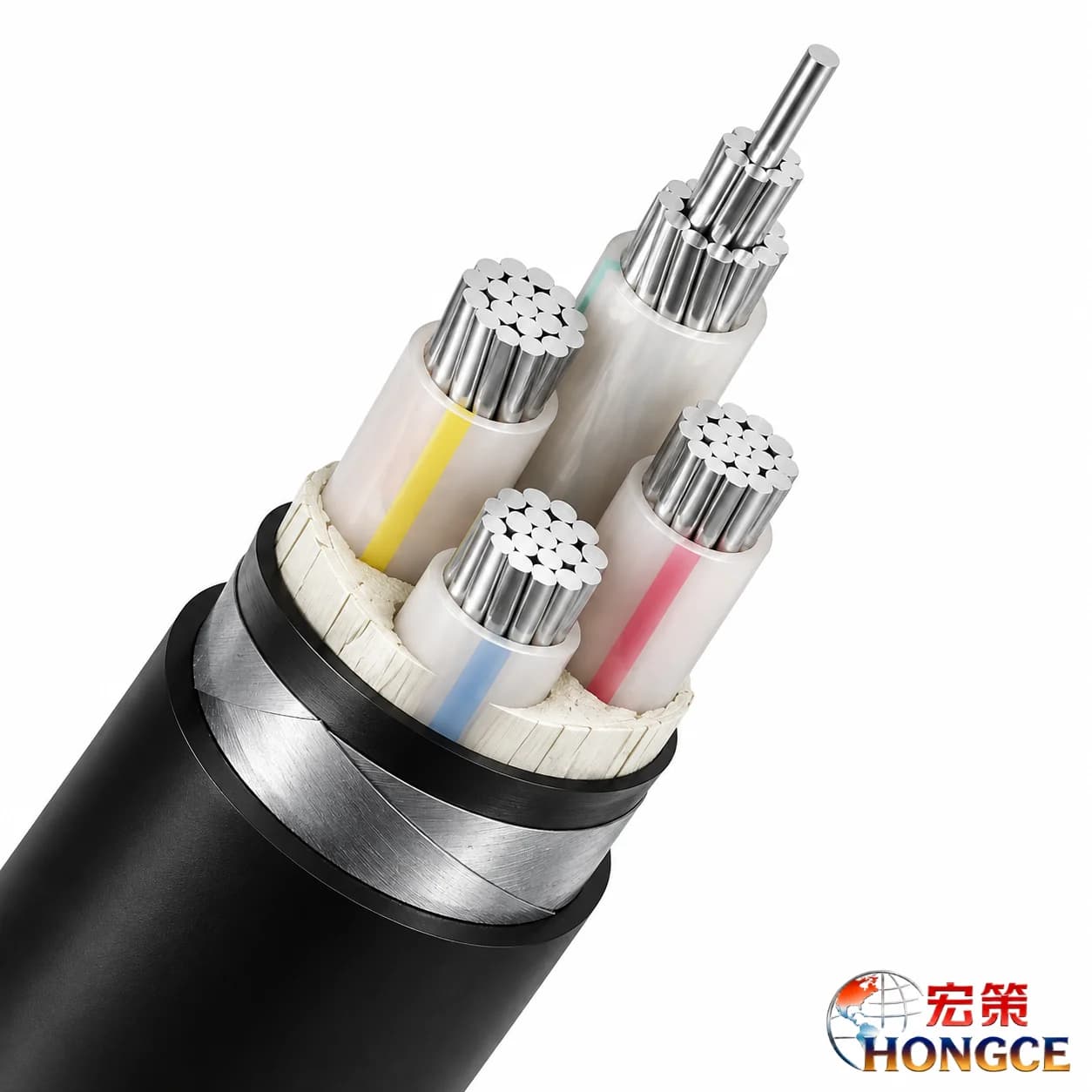
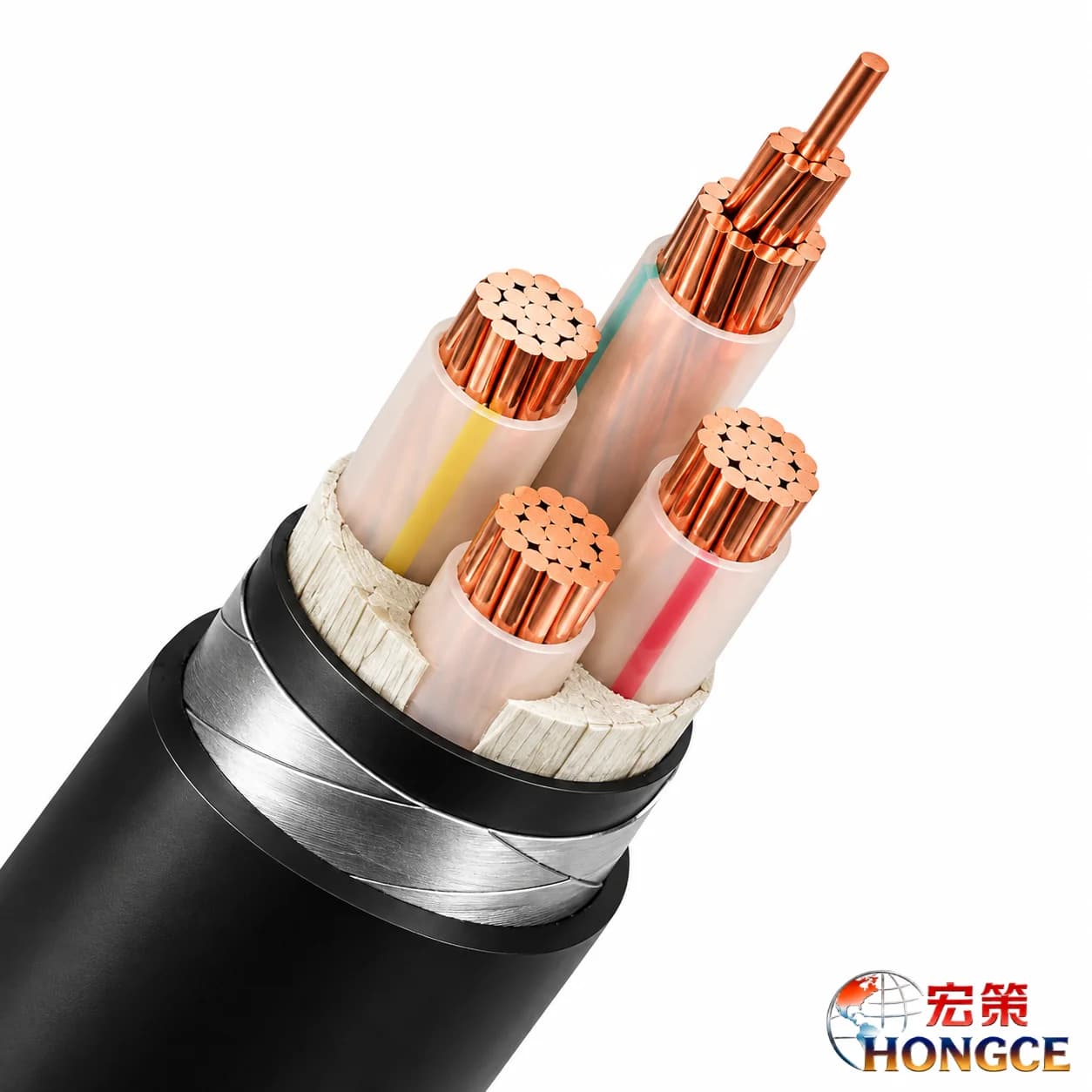
- Hard metal armor – Steel tape or wire armor layers (e.g., YJV22, YJY23 configurations), providing both mechanical protection and resistance against termites and rodents.
- Metallocene polyethylene blends – Patented compositions with improved barrier properties
Advantages:
- Long-term, maintenance-free protection
- No chemical leaching into soil
- Also provides mechanical protection against rodent damage
Considerations:
- Higher material cost
- Requires specialized extrusion equipment for some materials
- Increased cable weight and bending radius
3. Hybrid Approach
For maximum reliability, we recommend combining chemical and physical barriers. Our Malaysian project successfully used this approach:
Recommended configuration:
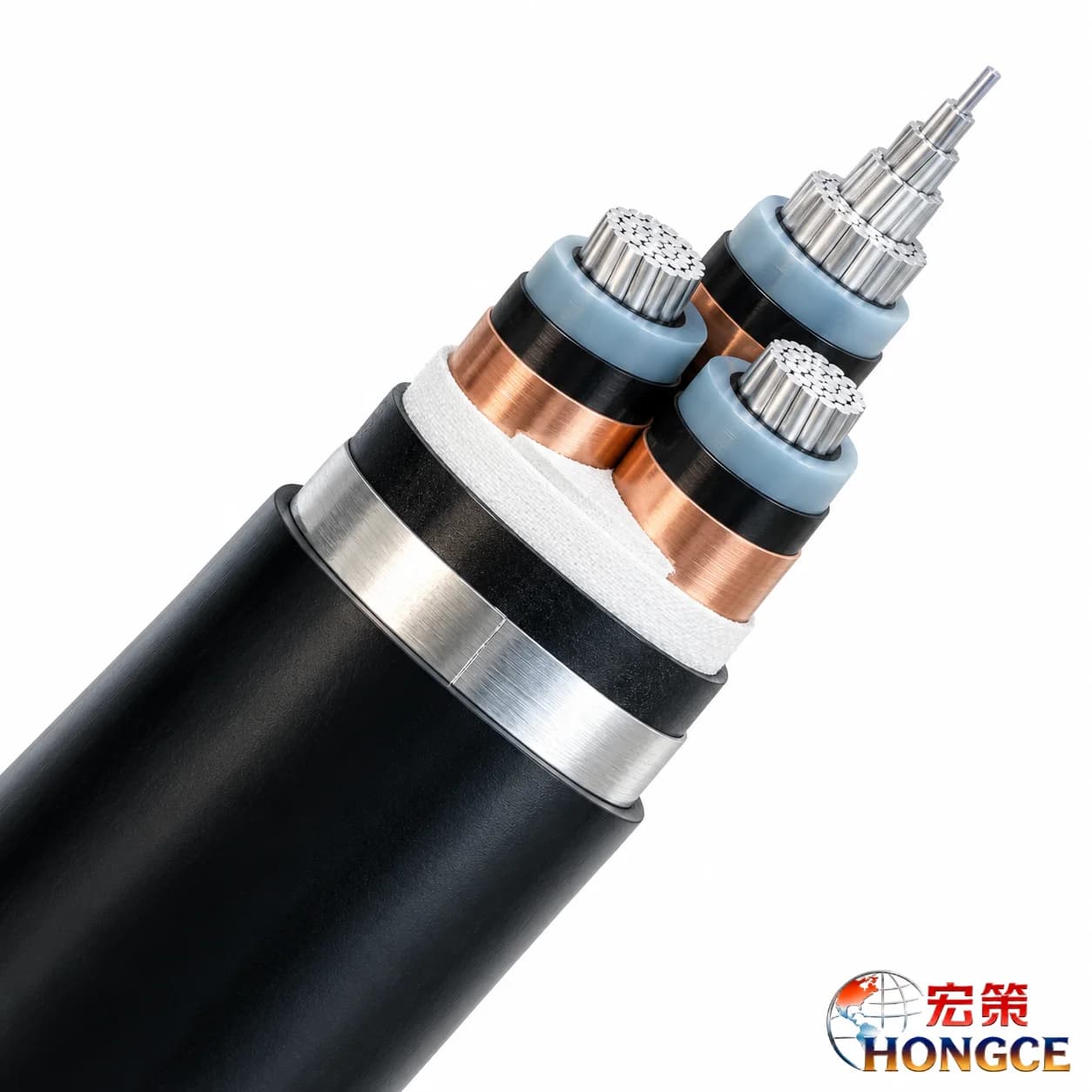
- XLPE insulation (90°C continuous rating per IEC 60502)
- Water-blocking tapes (both semi-conductive and swellable types)
- Metallic armor (steel tape or wire, depending on mechanical requirements)
- Anti-termite outer sheath (modified polyolefin with approved additives or nylon 12)
This approach ensures:
- Protection against water vapor penetration to prevent XLPE degradation
- Defense against both chemical and physical termite attack
- Compliance with regional certifications (SNI, TIS, PNS)
Case Study: How Customization Secured a $111000 Malaysian Order
Our Malaysian project illustrates the critical importance of understanding local conditions and adapting product specifications accordingly.
The Situation
When we initially engaged with a prominent Malaysian cable distributor, the conversation focused on standard IEC 60502-compliant XLPE power cables. However, we insisted on an on-site visit before finalizing the technical specifications—a practice we recommend to all international buyers.
The Discovery
During our site inspection in Malaysia, we identified:
- Aggressive termite presence in the project area
- High groundwater table creating constant moisture exposure, with industrial pollution and soil salinity potentially exacerbating XLPE degradation due to water treeing
- Temperatures reaching 35-40°C affecting cable ampacity and potentially accelerating insulation aging
- Tropical rainfall averaging 250mm monthly during monsoon season
The standard cables we had initially proposed would have been vulnerable to both termite damage and moisture ingress. This discovery validated our policy of on-site engineering support.
The Solution
Our engineering team returned to our 37,250 m² facility and developed a customized solution:
- Upgraded to a dual-layer sheathing system combining chemically modified anti-termite compound with a nylon 12 barrier layer for physical protection
- Enhanced waterproofing using aluminum-polyethylene composite moisture barrier and water-blocking tapes to prevent moisture ingress and subsequent water treeing
- Maintained IEC 60502 compliance with KEMA-tested XLPE insulation rated for 90°C continuous operation
The Outcome
The customized cables met the distributor's requirements perfectly, resulting in:
- $110000 order placed within weeks of technical approval
- Successful installation with zero reported termite or moisture issues
- Ongoing partnership with additional orders for other Malaysian projects
As our client noted, "Hongce Cable's willingness to understand our local conditions and customize the product made all the difference. Other manufacturers offered one-size-fits-all solutions that would have failed in our environment."
Technical Specifications for Southeast Asian Projects
Based on our experience and international standards, we recommend the following specifications for underground cables in Southeast Asia:
Requirement | Specification | Rationale |
|---|---|---|
Conductor | Annealed stranded copper (Class 2) | High conductivity, flexible for installation |
Insulation | XLPE, 90°C continuous rating | Excellent electrical properties, moisture resistance |
Water Barrier | Aluminum-laminated tape + swellable tapes | Prevents longitudinal water penetration, reduces water treeing risk |
Armor | Steel tape (YJY23) or wire (YJY23) | Mechanical protection, termite barrier |
Outer Sheath | Anti-termite modified polyolefin or Nylon 12 | Chemical + physical termite protection, Nylon 12 provides excellent physical barrier |
Certification | IEC 60502, plus local certifications (SNI/TIS) | Ensures customs clearance and quality acceptance, third-party certifications like KEMA add credibilit |
Installation Best Practices
Even the best sheathing materials require proper installation:
- Backfill with compacted sand or specified bedding material to minimize mechanical stress
- Maintain recommended bending radius (typically 12-15× cable diameter for armored cables)
- Use approved jointing kits with moisture barriers at all terminations
- Consider concrete ducting in areas with exceptionally high termite activity
- Request field engineering support from your manufacturer for critical installations
Why Hongce Cable for Your Southeast Asian Projects?
- IEC 60502 Type-Tested by KEMA Laboratories, ensuring compliance with the highest international standards
- Regional Certifications available (SNI, TIS, PNS) for direct customs clearance in target markets
- 20 Years Manufacturing Experience with our own 37,250 m² facility and 12 production lines, plus on-site engineering support
- Custom Engineering based on local site visits and conditions
- Proven Track Record including successful Malaysian government projects
Internal Link Suggestion: Link to the "Products" page to showcase specific cable models meeting the above specifications, and to the "Contact Us" page to guide customer inquiries.
Conclusion: Don't Compromise on Sheathing
Southeast Asia's tropical environment demands serious attention to cable sheathing. Standard products designed for temperate climates will likely fail prematurely, leading to costly outages and replacement. Our Malaysian project demonstrates that investing in customized anti-termite and waterproof sheathing solutions pays dividends in long-term reliability and customer satisfaction.
Whether you're a distributor, contractor, or project owner, ensure your cable supplier understands your local conditions and can provide solutions validated by both international standards and practical experience. At Hongce Cable, we're ready to help—with over two decades of manufacturing excellence and a global team that goes where the project needs us.
Have a project in Southeast Asia? Contact our engineering team for a technical consultation and site evaluation. We respond within 24 hours with custom solutions for your specific requirements.
About the Author
Liangce Chi currently serves as Southeast Asia Market Analyst at Zhejiang Hongce Cable Co., Ltd. His work involves in-depth research covering power infrastructure construction across Southeast Asia, price trends of bulk commodities, and cross-border cable trade compliance. Combining insights from macroeconomic data with extensive hands-on cross-border trade experience, Liangce Chi goes beyond theoretical research and conducts on-site assessments of industrial manufacturing investment climates in Thailand, Vietnam, Indonesia and other Southeast Asian markets. Drawing on his professional work, he secured bulk orders from well-established Thai enterprises for Zhejiang Hongce Cable. This landmark achievement has laid a solid quantitative foundation for the company to further expand its market share of industrial building support cables in Thailand and the broader Southeast Asian region.