Testing & Compliance: Understanding IEC 60502-2 Medium Voltage XLPE Power Cable Specifications
Are your MV cables truly project-ready? Dive into the essential QC protocols and structural requirements you must verify before your next procurement.
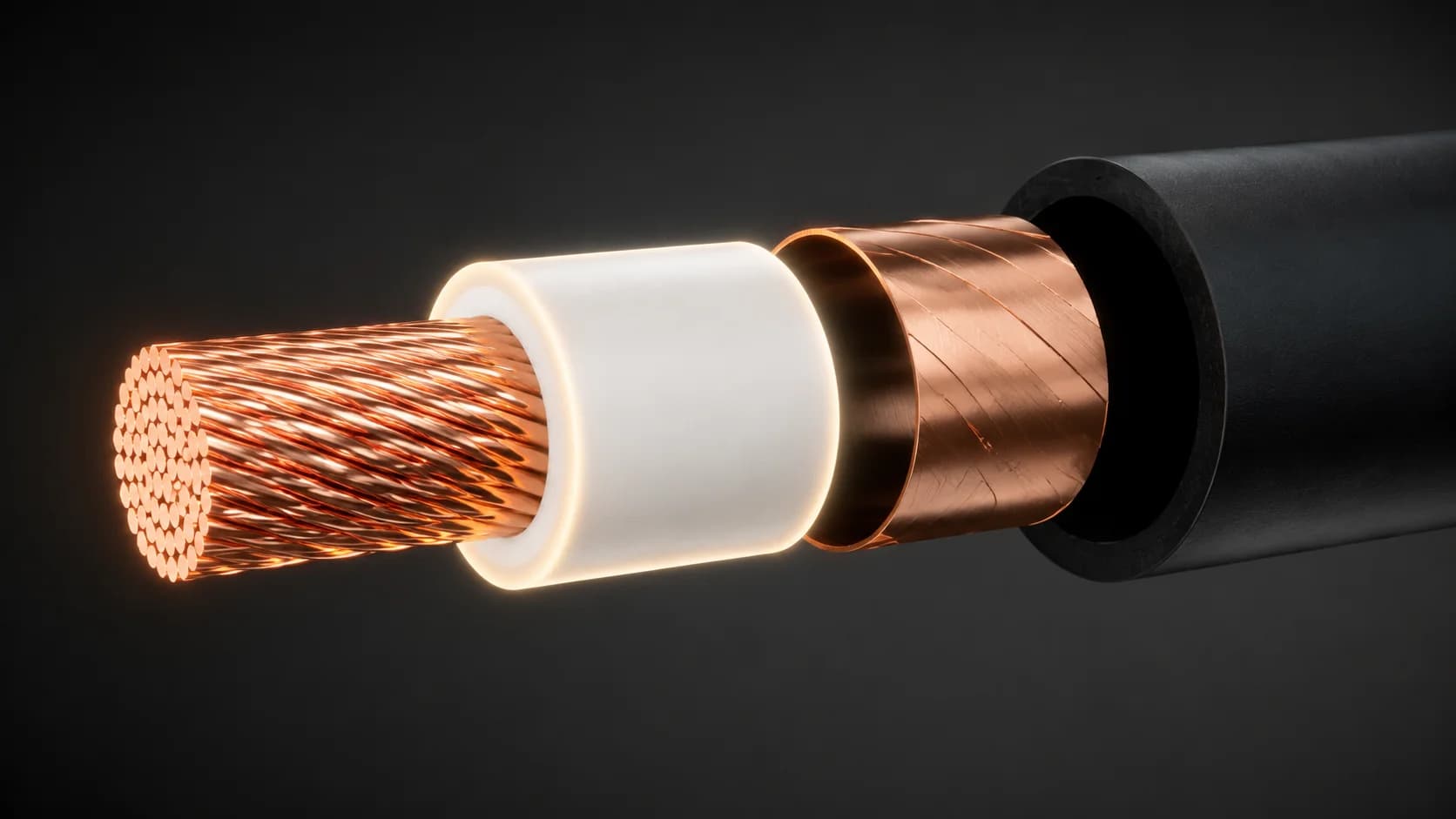
Discover the critical IEC 60502-2 testing and compliance specifications for medium voltage XLPE power cables. This guide explores core construction requirements, essential quality control protocols like partial discharge testing, and how strict adherence prevents common failures such as water treeing. Ideal for EPC contractors and electrical engineers looking to ensure safety, durability, and international compliance in large-scale power infrastructure projects.
Testing & Compliance: Understanding IEC 60502-2 Medium Voltage XLPE Power Cable Specifications
In the heavily regulated landscape of global electrical infrastructure, reliability is not a marketing promise—it is a measurable metric driven by strict adherence to international standards. For Engineering, Procurement, and Construction (EPC) contractors and electrical design engineers, the IEC 60502-2 medium voltage XLPE power cable specifications serve as the definitive framework for ensuring safe, durable, and efficient power transmission.
Covering extruded solid insulation cables for rated voltages from 3.6/6 (7.2) kV up to 18/30 (36) kV, this standard dictates everything from conductor geometry to rigorous factory testing protocols. Understanding these specifications is critical for mitigating operational risks such as water treeing, thermal degradation, and reduced signal attenuation in large-scale industrial and green energy projects.
What is the IEC 60502-2 Standard?
Published by the International Electrotechnical Commission (IEC), a leading global organization that prepares and publishes international standards for all electrical and electronic technologies, IEC 60502-2 is the globally recognized benchmark for medium voltage (MV) power cables.
Scope and Application in Medium Voltage Networks
The standard specifies the construction, dimensions, and test requirements for power cables with extruded cross-linked polyethylene (XLPE) or ethylene propylene rubber (EPR) insulation. These cables are engineered for deployment in highly demanding environments, including underground direct burial, concrete cable trenches, and outdoor installations exposed to fluctuating weather conditions.
The applications of these cables span across utility grid distribution, heavy industrial manufacturing plants, petrochemical refineries, and modern renewable energy installations.
Why IEC Compliance Matters for Global EPC Projects
For international EPC contractors, compliance with IEC 60502-2 is a mandatory prerequisite for project bidding. Standardized specifications facilitate seamless international cooperation and infrastructure development. For instance, in the rapid expansion of regional green energy infrastructure across key technological hubs like Singapore, the integration of internationally compliant MV cables ensures interoperability between diverse electrical systems and grid grids.
Using non-compliant cables can lead to catastrophic system failures, substantial financial liabilities, and severe safety hazards. Adherence to this standard guarantees that the cables have been subjected to, and have passed, universally accepted stress tests, providing improved energy efficiency and long-term mechanical stability.

Core Construction Specifications for XLPE Cables
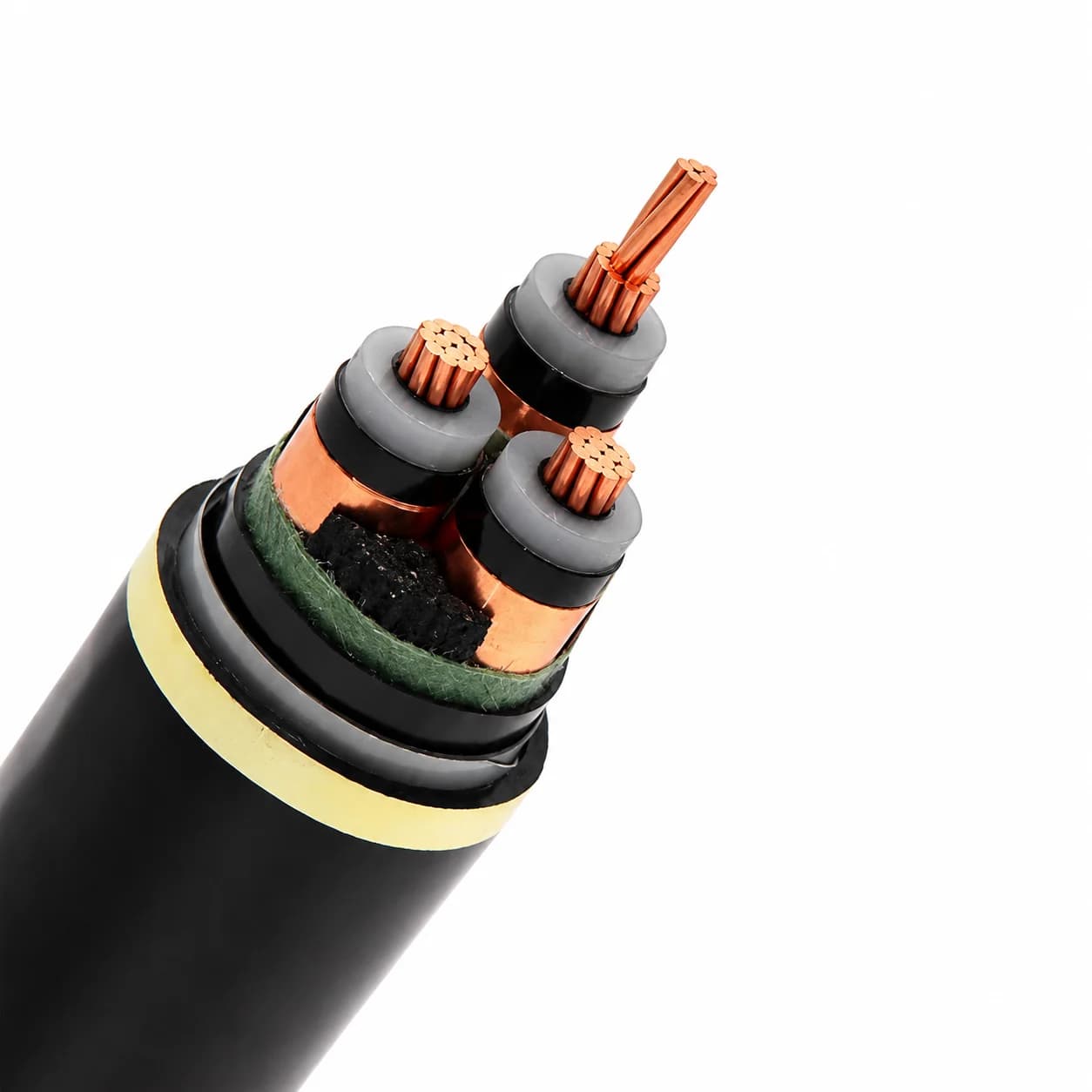
The structural integrity of a medium voltage cable is defined by a multi-layered design, where each layer serves a distinct electrical or mechanical function as mandated by IEC 60502-2.
Conductor and Insulation Requirements
At the core of the cable lies the conductor, which must comply with IEC 60228 Class 2 for stranded copper or aluminum. To ensure optimal conductivity and prevent localized thermal hotspots, high-purity oxygen-free copper is frequently utilized.
The primary dielectric barrier is the XLPE insulation. Unlike traditional PVC, XLPE undergoes a chemical cross-linking process that significantly enhances its thermomechanical properties. According to the standard, XLPE insulation must safely withstand a maximum continuous operating temperature of 90°C and short-circuit temperatures up to 250°C (for a maximum duration of 5 seconds). This robust thermal profile is essential for preventing insulation melt-down during unexpected fault currents.
Metallic Screening and Armor Protection
To confine the electric field within the insulation and provide a path for fault currents, IEC 60502-2 requires a metallic screen. This is typically achieved using concentric copper wire screens or helically applied copper tape. The metallic screen also serves as a crucial safety mechanism, routing leakage currents to the ground and reducing electromagnetic interference (EMI) with adjacent control circuits.
For mechanical protection, especially in direct burial applications, armoring is applied over the inner covering. The standard outlines specific criteria for:
- Steel Tape Armor (STA): Suitable for resisting radial compressive forces and rodent attacks. Often used in products like the YJLHV22 8.7/15kV.
- Steel Wire Armor (SWA): Provides superior tensile strength, making it ideal for vertical shafts, areas with soil subsidence, or installations involving high pulling tensions. Note that for single-core cables operating on alternating current (AC), non-magnetic materials (like aluminum wire armor) must be used to prevent induced eddy current losses.

Rated Voltage (Uo/U) | Nominal Cross-Sectional Area (mm²) | Min. Thickness of XLPE Insulation (mm) | Max. DC Resistance of Cu Conductor at 20°C (Ω/km) |
3.6/6 (7.2) kV | 70 | 2.5 | 0.268 |
120 | 2.5 | 0.153 | |
8.7/15 (17.5) kV | 70 | 4.5 | 0.268 |
120 | 4.5 | 0.153 | |
12/20 (24) kV | 70 | 5.5 | 0.268 |
120 | 5.5 | 0.153 | |
18/30 (36) kV | 70 | 8.0 | 0.268 |
120 | 8.0 | 0.153 |
(Note: Data is indicative and based on general IEC 60502-2 guidelines. Specific project requirements may necessitate custom dimensioning.)
Critical Testing Protocols Under IEC 60502-2
Manufacturing a cable with premium materials is only half the equation; verifying its performance through rigorous laboratory testing is what secures its reliability. Quality Control (QC) laboratories must execute a series of tests categorized into Routine, Sample, and Type tests.
Routine Tests (Conducted on All Cable Lengths)
Routine tests are non-destructive assessments performed on 100% of the manufactured cable drums before dispatch.
- Electrical Resistance Test: Verifies that the conductor resistance does not exceed the maximum values specified in IEC 60228, ensuring improved energy efficiency and minimizing transmission losses.
- Voltage Test: High voltage is applied to the insulation for a sustained period (typically 5 minutes at 3.5Uo) to confirm dielectric strength.
- Partial Discharge (PD) Test: This is arguably the most critical routine test for MV cables. It detects microscopic air voids or impurities within the XLPE insulation or at the interfaces of the semi-conductive screens. Under high voltage, these voids can ionize, causing localized micro-sparks (partial discharges) that slowly degrade the insulation. IEC 60502-2 mandates that the discharge magnitude must not exceed 10 pc (picocoulombs) at 1.73Uo. Strict PD testing is the primary defense against premature cable breakdown in the field

Sample Tests (Batch Testing for Quality Control)
Sample tests are conducted on representative samples taken from a manufacturing batch to ensure consistent dimensional and physical properties.
- Dimensional Checks: Precise measurement of conductor diameter, insulation thickness, and outer sheath thickness to ensure conformity with design specifications.
- Hot Set Test for XLPE Insulation: This test verifies the degree of cross-linking in the XLPE compound. A sample of the insulation is subjected to a specified mechanical load inside an oven at 200°C for 15 minutes. The elongation must not exceed 175%, and upon cooling, the permanent set must not exceed 15%. Passing this test confirms that the XLPE will not deform under high operating temperatures.
Type Tests (Validating the Design and Materials)
Type tests are extensive, destructive tests performed once on a specific cable design to validate the fundamental engineering and material choices. They are divided into electrical and non-electrical type tests.
- Electrical Type Tests: Include bending tests followed by partial discharge testing, tan delta (dielectric dissipation factor) measurements at varying temperatures, and the impulse voltage test. The impulse test simulates lightning strikes or switching surges on the grid, subjecting the cable to extreme transient voltages (e.g., up to 95 kV for a 15kV rated cable) to verify the structural integrity of the dielectric system.
- Non-Electrical Type Tests: These assess the long-term aging characteristics of the polymers, water absorption rates, and flame retardancy to ensure proper fire-safety compliance. For more information on high-voltage equipment testing standards, organizations like CIGRE provide extensive technical brochures that complement IEC methodologies.
Common MV Cable Failures and How Rigorous Testing Prevents Them
In industrial applications, cable failures translate directly to unscheduled downtime and heavy financial losses. By adhering strictly to the IEC 60502-2 medium voltage XLPE power cable specifications, manufacturers can design out the most common failure modes.
Water Treeing in XLPE Insulation
Water treeing is a well-documented phenomenon where microscopic moisture ingress, combined with an electrical field, creates branching, tree-like structures of degraded polymer within the XLPE. Over time, a water tree can bridge the insulation layer and convert into an "electrical tree," leading to an abrupt short circuit.
Compliance with the standard involves rigorous water absorption type tests and often incorporates water-blocking technologies. The use of swellable tapes under the metallic screen and longitudinal water-tight designs prevents moisture migration, significantly extending the operational lifespan of underground cables.
Thermal Degradation from Overloading
Industrial facilities occasionally subject power networks to temporary overloads, pushing conductor temperatures beyond normal limits. If the insulation has not been properly cross-linked (a failure that would be caught by the Hot Set Test), the polymer can soften, deform, and lose its dielectric properties. Cables manufactured and tested to IEC standards are certified to handle emergency overload temperatures up to 130°C, providing a critical safety margin for facility managers.
Sourcing Compliant IEC 60502-2 Cables for Your Next Project
Procuring medium voltage cables for large-scale utility or EPC projects requires a supplier with a proven commitment to international standards and transparent quality control.
The Importance of Factory Traceability and Test Reports
Buyers must insist on comprehensive Factory Acceptance Test (FAT) reports for every batch of cable delivered. These reports should clearly document the results of routine tests, specifically conductor resistance and partial discharge levels, directly referencing IEC 60502-2 clauses. Traceability ensures that the physical cable installed on-site matches the technical data sheets submitted during the engineering phase.
Partner with Hongce Cables for Proven Reliability
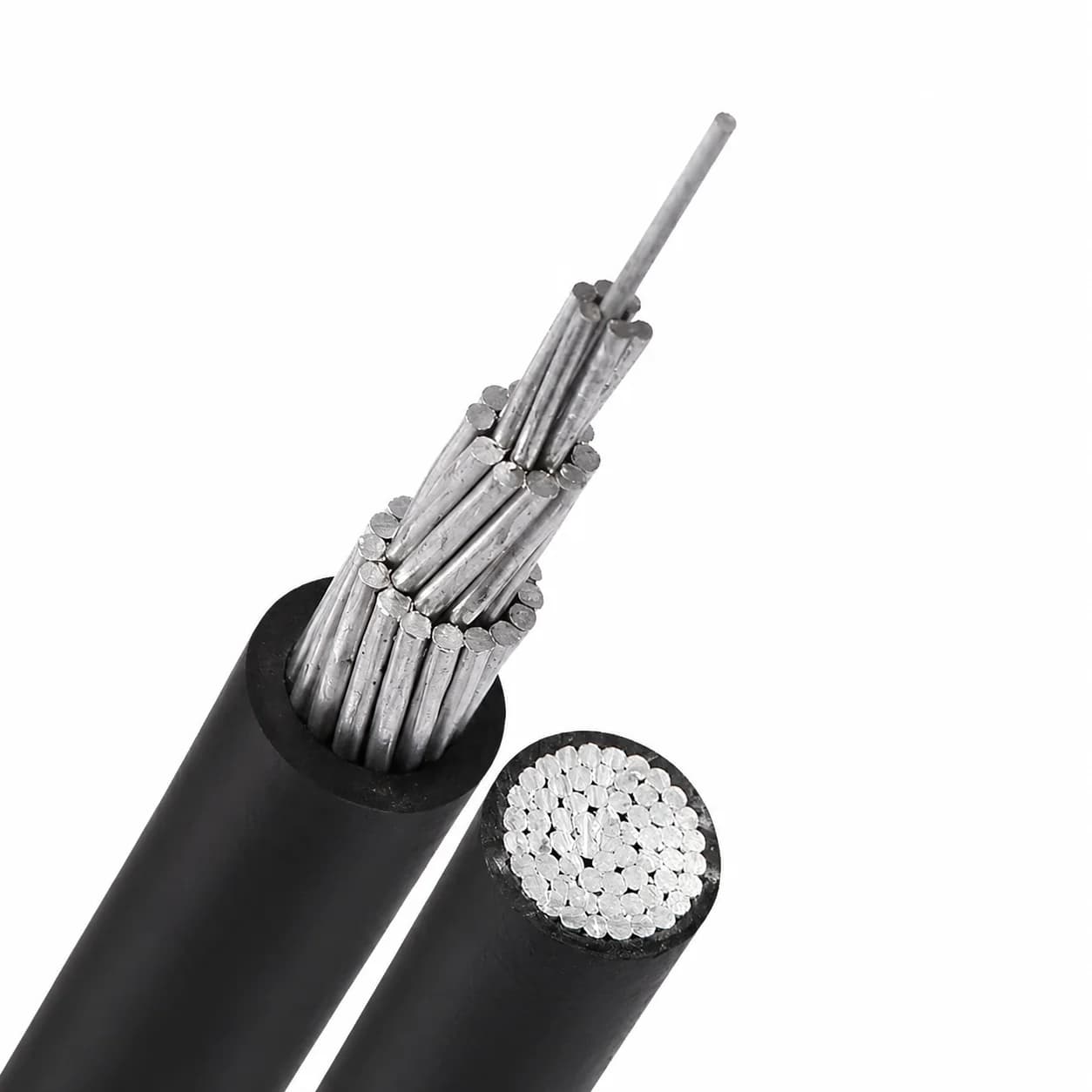
When specifying components for critical power infrastructure, the choice of manufacturer dictates the baseline reliability of the entire system. From overhead distribution solutions like the JKLYJ 10kV 1×120mm² to robust underground distribution networks utilizing the YJV 8.7/15kV, selecting products that strictly adhere to international testing protocols is non-negotiable.
By integrating advanced extrusion technologies and rigorous laboratory testing frameworks, manufacturers ensure that every meter of cable meets the demanding expectations of global engineers, contributing to more resilient, efficient, and compliant electrical grids worldwide.
About the Author
Junjie Cheng – Senior Cable Engineer at Hongce Cable Junjie Cheng is the Senior Cable Engineer at Zhejiang Hongce Cable Co., Ltd., specializing in power cable design, manufacturing processes, and international quality control. He leads Hongce Cable’s technical team to deliver customized cabling solutions for global infrastructure and power grids. Mr. Cheng specializes in the engineering of medium-to-high voltage cables. He recently spearheaded the successful technical review and production of a RMB 5.5 million (approx. USD 760K) export project to Malaysia, delivering high-performance YJLV 6/10KV 3*150 mm² XLPE insulated aluminum power cables. His deep expertise in triple-layer co-extrusion and drum twister cabling guaranteed the strict mechanical and electrical performance required for Malaysia's power environment. Under his technical guidance, Hongce Cable ensures all products comply with IEC, BS, ASTM, and CE certifications, providing safe, efficient, and certified power transmission solutions to global B2B buyers.