Power Cable Cost Breakdown: Why Quality Matters More Than Price
A Procurement Guide to Evaluating Cable Manufacturers and Avoiding Hidden Structural Flaws
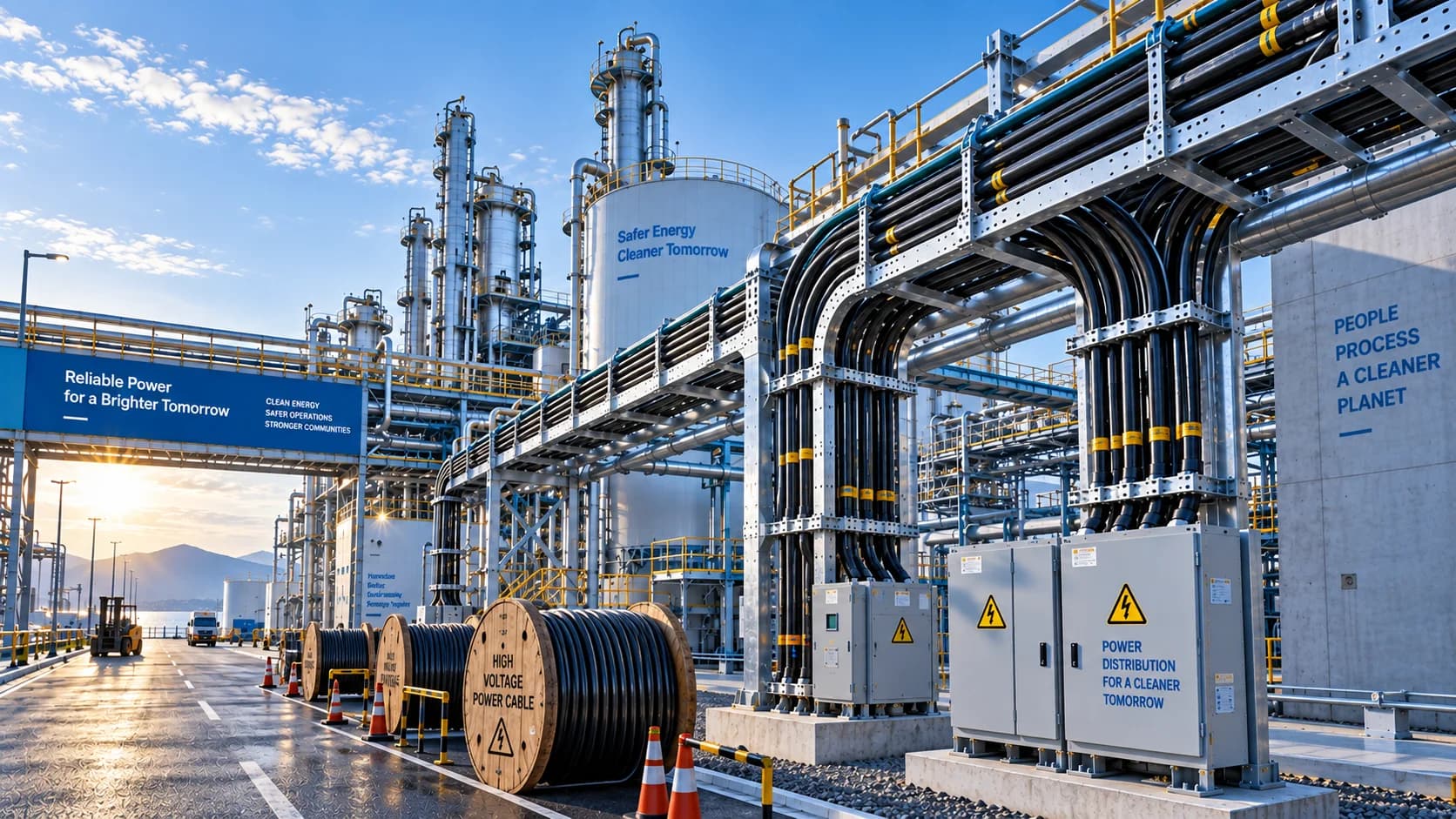
Discover the true cost of industrial power cables. While cheap alternatives may seem budget-friendly, they frequently cause severe safety hazards and expensive factory downtime. This guide breaks down cable pricing and explains how investing in high-quality, IEC-compliant XLPE cables significantly reduces your Total Cost of Ownership (TCO) and ensures reliable power distribution.
When procurement managers and engineers use search engines to find reliable electrical cables, they often land on a web page filled with vague promises. While many suppliers publish generic content simply to boost their search engine rankings, technical buyers need actual facts and verified data. On this page, we provide honest technical insights and direct links with clear anchor text to deliver a better user experience.
Industrial facilities rely on stable electric power for daily operations. A reliable power distribution network keeps factories, mines, and utilities running safely. However, choosing a power cable based solely on its initial purchase price can lead to unexpected failures and high long-term expenses. This article breaks down the real cost of power cables and explains why long-term quality matters far more than a low starting price.

What Determines the Cost of a Power Cable?
Why do cable prices vary so much between suppliers? Let’s look at the main factors that shape manufacturing costs. Good manufacturers maintain complete transparency about their raw materials and production standards.
Conductor Materials (60% - 75% of total cost)
The metal inside the cable—usually copper or aluminum—drives the price. As noted by the Copper Development Association, high-purity copper allows smooth current flow with minimal energy loss. In contrast, cheap cables often use recycled copper filled with impurities. Low-grade copper increases electrical resistance, creates excessive heat, and wastes power during daily operation.
Insulation and Sheathing Quality
Insulation material directly impacts both cable price and operational lifespan. Standard PVC insulation is inexpensive, but it deteriorates when exposed to high temperatures or harsh chemical surroundings.
XLPE (Cross-linked Polyethylene) insulation costs slightly more to manufacture, but it handles thermal stress much better. Whether you need a heavy duty cable for a steel plant or clean, stable energy for a modern clinical laboratory, insulation quality determines overall system safety.
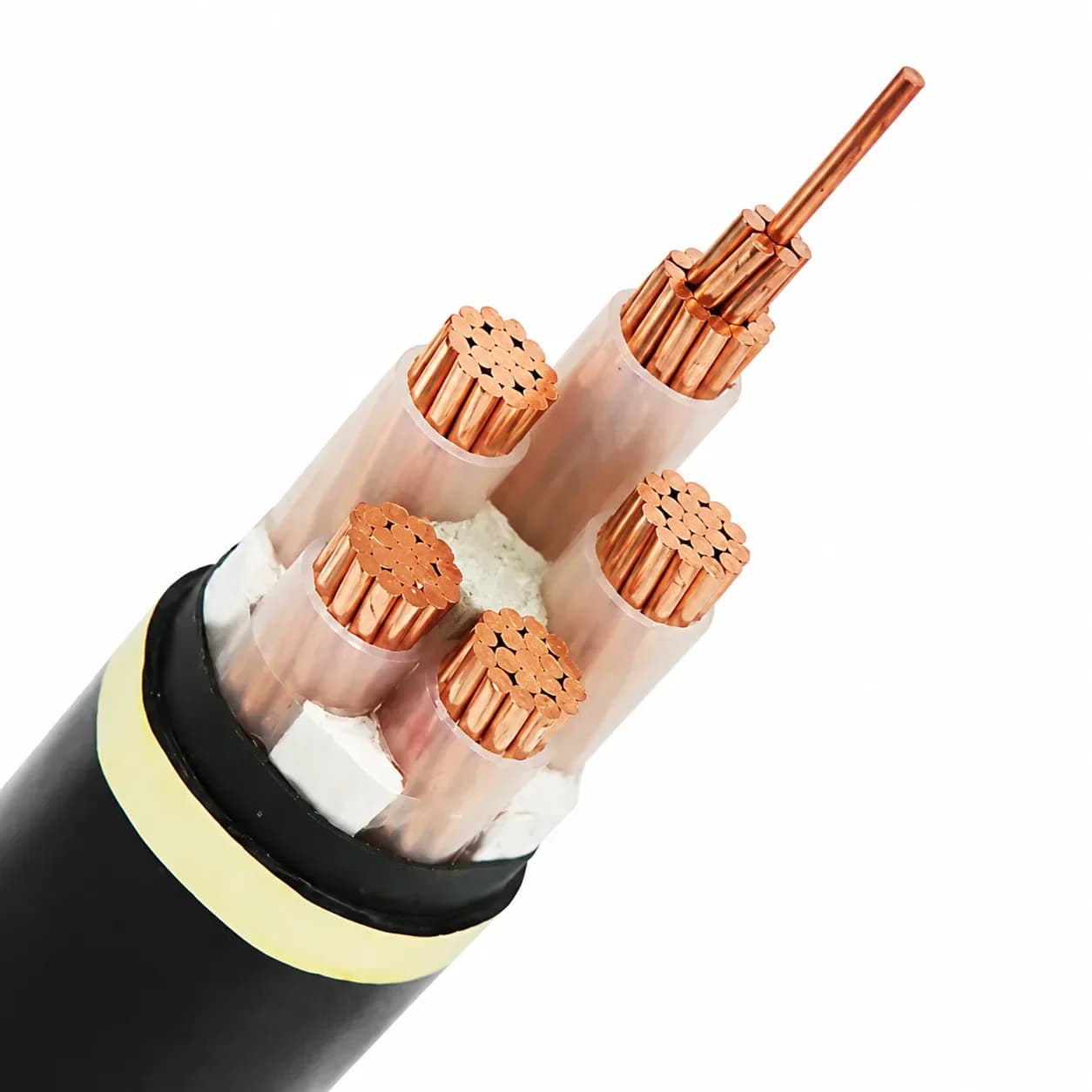
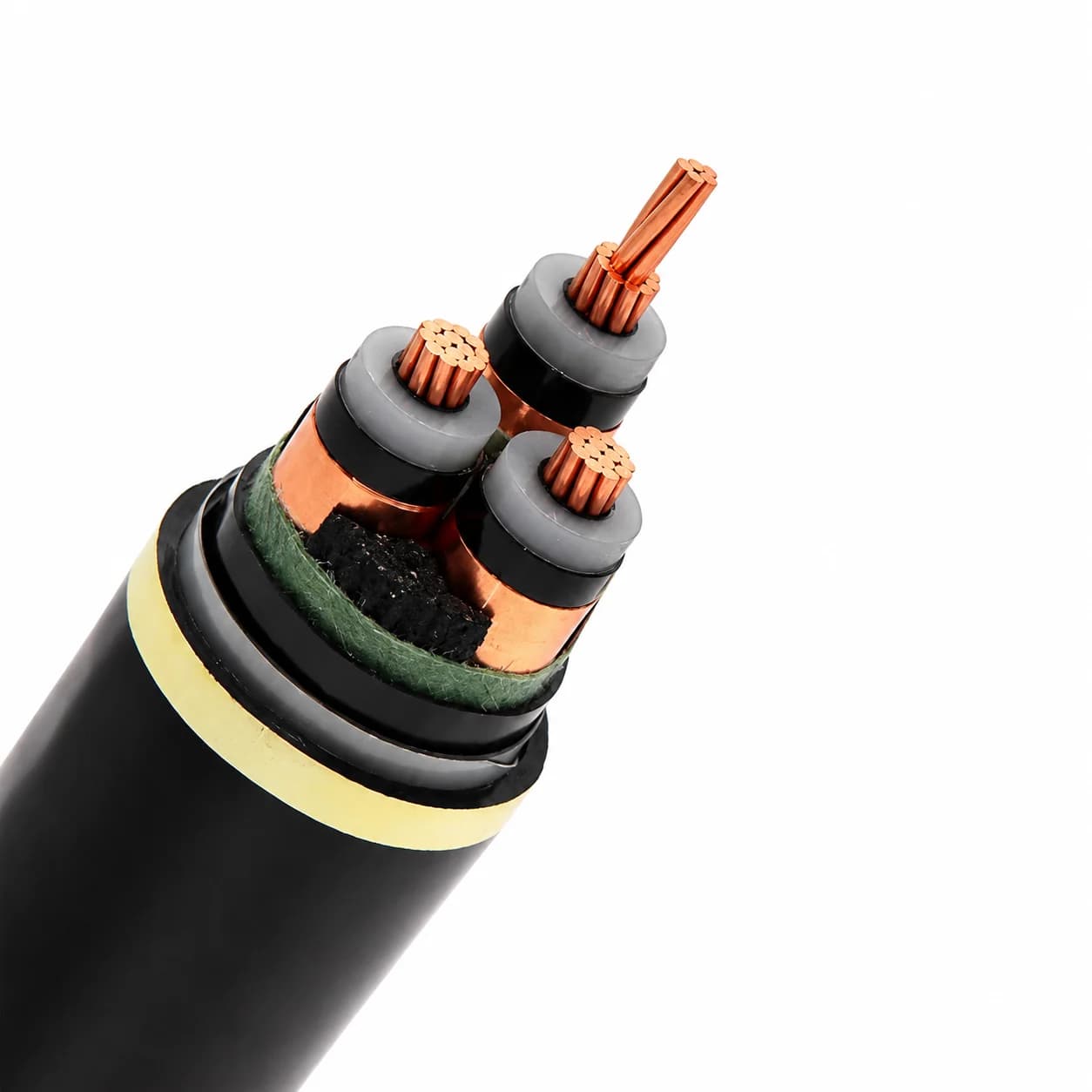
- Do you need cables for medium-voltage grids? Explore our robust YJV 8.7/15KV Power Cable to manage higher electrical stress safely.
Quality Control QC and Testing Processes
A high-performing cable requires advanced extrusion machinery to ensure uniform insulation thickness. If the insulation is uneven, thin spots can break down under electrical stress. Responsible manufacturers invest heavily in quality control qc. During the testing process, technicians inspect concentricity, measure tensile strength, and run high-voltage tests on every production batch.
Global Certifications
Obtaining international certificates (such as CE, RoHS, and IEC) requires significant testing overhead. However, these credentials prove that the cable complies with international fire-safety and performance regulations.
Cost Component | Estimated Percentage | Why It Matters for Performance |
Conductor Material | 60% - 75% | Controls heat generation and electrical efficiency. |
Insulation & Sheath | 10% - 15% | Protects against moisture, chemicals, and high temperatures. |
Manufacturing Process | 8% - 12% | Ensures structural uniformity and mechanical strength. |
QC & Certification | 5% - 8% | Guarantees safety compliance through a strict testing process. |

The Hidden Risks of Cheap Electrical Cables
Choosing the lowest bidder often introduces hidden operational hazards. When low-cost manufacturers cut corners on raw materials, the cables become vulnerable to failure.
Safety Hazards and Overheating
Low-purity copper conductors generate excessive heat. When paired with cheap insulation, the heat causes rapid material breakdown. Over time, this leads to insulation melting, short circuits, and potential electrical fires. Using certified, high quality cables ensures full fire-safety compliance and protects workplace personnel.
Costly Factory Downtime
When a cable fails in an industrial setting, replacing the wire is only a small part of the total bill. You must pay technicians for emergency labor and structural repairs. More importantly, unscheduled downtime halts factory production. A halted production line can cost thousands of dollars per hour—far exceeding any upfront savings from a cheap cable.
- To review technical definitions from authoritative sources, consult standard documentations like Wikipedia the free encyclopedia on power cable basics, or review the official guidelines published by the International Electrotechnical Commission (IEC).
Total Cost of Ownership (TCO) Analysis vs. Initial Price
Experienced procurement teams use a Total Cost of Ownership (TCO) analysis rather than looking only at initial price tags. A complete TCO evaluation includes:
- Initial purchase price
- Installation and labor costs
- Ongoing maintenance expenses
- Energy loss due to conductor resistance
- Expected service lifespan
Superior cables deliver a lower total cost of ownership because they reduce power attenuation, lower energy waste, and eliminate frequent emergency repairs.
Field Case Study: Hongce XLPE Cables in Action
The Challenge: A major chemical processing plant located in the coastal region of East China faced ongoing power reliability problems. The plant operated under harsh environmental conditions with constant marine salt spray and corrosive chemical vapors. The facility had previously installed budget PVC cables. Within two years, the cable sheaths cracked, allowing moisture to enter and causing frequent electrical tripping.
The Solution: Hongce Cables evaluated the site conditions and supplied a customized YJV 0.6/1KV (XLPE Insulated, PVC Sheathed) power cable. Designed for harsh environments, this cable fully complies with the IEC 60502-1 standard.
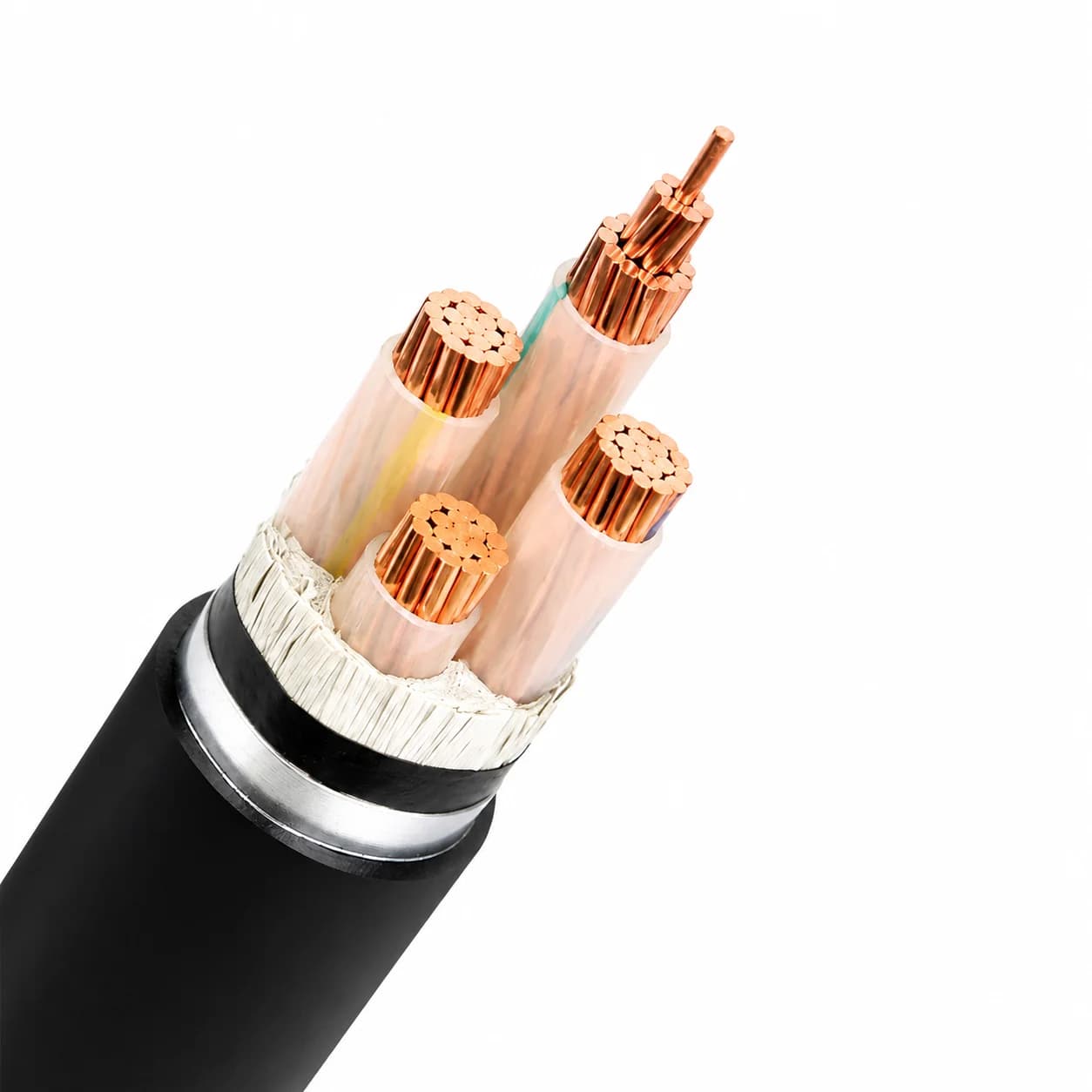
- For direct underground burial or areas requiring extra armor protection, we recommend our YJV22 0.6/1KV Steel Tape Armored Power Cable Steel Tape Armored Power Cable.
Material Testing Proof (E-E-A-T Data):
Before shipping, our factory lab evaluated the insulation properties. The IEC 60502-1 standard requires XLPE insulation to achieve an unaged tensile strength of at least 12.5 N/mm² and an elongation at break of at least 200%. Hongce’s test results surpassed these minimum baselines.
Material Test Results: Hongce Customized YJV 0.6/1KV Cable
Test Parameter | IEC Standard Baseline (Min) | Hongce Actual Test Results | Compliance Status |
Tensile Strength (Unaged) | ≥12.5 N/mm² | 25.1 N/mm², 25.4 N/mm², 24.8 N/mm² | Pass (Exceeded) |
Elongation at Break (Unaged) | ≥200% | 247% | Pass (Exceeded) |

The Operational Outcome: The customized YJV cables achieved a 99% product qualification rate and met all client procurement standards. The plant has operated for 3 consecutive years without a single cable-related fault. By preventing unexpected shutdowns, the facility saved tens of thousands of dollars annually in maintenance expenses, proving the financial value of investing in high-spec cables.
How to Choose a Good Cable Supplier
To make an informed decision and protect your equipment, evaluate potential cable suppliers using these three criteria:
- Request Material Test Reports (MTRs): Ask for verified lab test data showing conductor purity, insulation tensile strength, and elongation performance.
- Review Factory Quality Protocols: Confirm that the manufacturer maintains ISO 9001 certification and performs 100% routine electrical testing before shipment.
- Verify Standard Certificates: Check for valid IEC, CE, or UL compliance certificates to confirm manufacturing consistency.
Conclusion
A cable's true value involves its upfront price, energy efficiency, and operational lifespan. As demonstrated by our chemical plant case study, selecting high-spec XLPE cables prevents costly downtime and lowers overall operating expenses.
At Hongce Cables, we prioritize manufacturing precision and verified testing over cutting corners. We provide transparent test data and manufacture durable products tailored to your operational environment.
Need reliable cables for your next project? Contact Hongce Cables today. Our engineering team will review your project specs, provide certified test reports, and deliver a competitive, value-driven quote.
About the Author
Liangce Chi currently serves as Southeast Asia Market Analyst at Zhejiang Hongce Cable Co., Ltd. His work involves in-depth research covering power infrastructure construction across Southeast Asia, price trends of bulk commodities, and cross-border cable trade compliance. Combining insights from macroeconomic data with extensive hands-on cross-border trade experience, Liangce Chi goes beyond theoretical research and conducts on-site assessments of industrial manufacturing investment climates in Thailand, Vietnam, Indonesia and other Southeast Asian markets. Drawing on his professional work, he secured bulk orders from well-established Thai enterprises for Zhejiang Hongce Cable. This landmark achievement has laid a solid quantitative foundation for the company to further expand its market share of industrial building support cables in Thailand and the broader Southeast Asian region.