PVC Sheath Cables in Industrial Applications: Specs, Uses, and Material Selection

Discover why PVC sheath cables are the industry standard for power and control systems. Get detailed technical specs and see how premium PVC formulations prevent operational downtime in harsh environments.
In the modern electrical and industrial landscape, selecting the appropriate cabling infrastructure is critical for system reliability, operational safety, and long-term cost management. Among the various materials available in the wire and cable industry, Polyvinyl Chloride (PVC) remains one of the most widely utilized compounds. However, navigating the technical specifications of a PVC sheath cable requires a clear understanding of material science, application environments, and manufacturing standards.
This comprehensive guide explores the structural role of PVC sheaths, their technical characteristics, practical industrial applications, and how they compare to alternative materials. Whether you are an electrical engineer designing a commercial power grid or a procurement manager sourcing reliable components for an automated assembly line, this article provides the factual engineering data needed to make informed purchasing decisions.

Understanding the Basics: What is a PVC Sheath Cable?
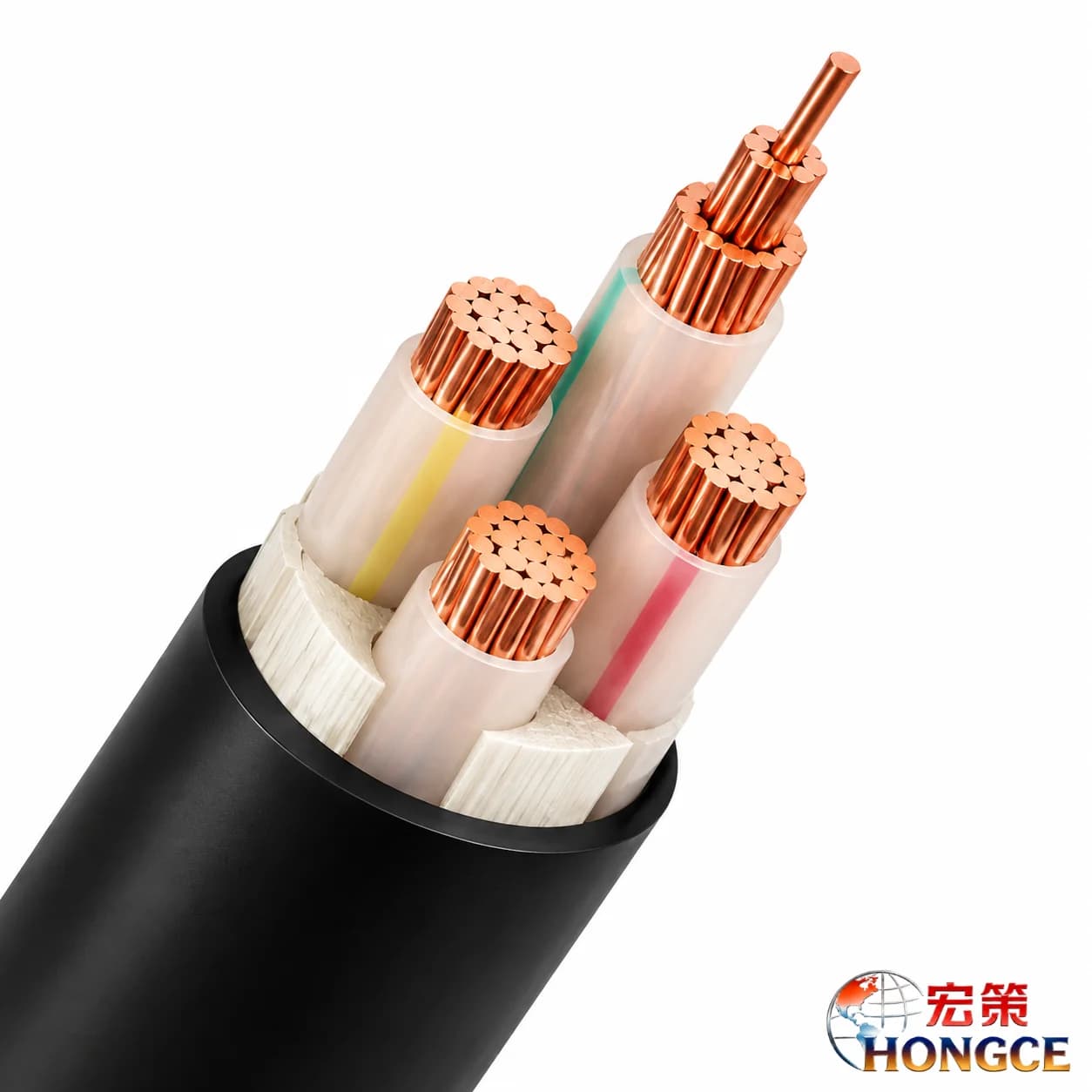
To understand a PVC sheath cable, it is essential to distinguish between the different layers of a cable's construction. A standard electrical cable typically consists of conductive cores (usually copper or aluminum), inner insulation covering those cores, and an outer protective layer.
The Role of the Cable Sheath (Jacket)
The "sheath" (often referred to as the jacket) is the outermost layer of a cable. Unlike the inner insulation, which is primarily responsible for preventing electrical leakage and short circuits between the conductors, the sheath serves a structural and protective purpose. Its main function is to defend the internal components against environmental stressors, mechanical abrasion, moisture, and chemical exposure during installation and operational use.
Why Polyvinyl Chloride (PVC) is the Standard Material
Polyvinyl Chloride is a synthetic plastic polymer. In its raw form, PVC is rigid and brittle; however, through the addition of specific plasticizers during the compounding process, cable manufacturers can produce flexible PVC that is highly suitable for wire jacketing. The widespread adoption of PVC is largely due to its balanced profile: it offers a reliable combination of mechanical durability, standard electrical resistance, and manufacturing cost-effectiveness.
Key Features and Specifications of a PVC Sheath Cable
Evaluating a PVC sheath cable requires analyzing its performance across several technical metrics. A high-quality PVC jacket engineered to standard specifications will exhibit the following characteristics:
1. Electrical Insulation and Safety Compliance
While the inner insulation handles the primary electrical load, the outer PVC sheath provides a secondary layer of dielectric strength. PVC is naturally non-conductive, offering adequate protection against minor electrical faults. More importantly, specialized PVC compounds are formulated for fire-safety compliance. Standard PVC sheathing is flame-retardant; it will resist the spread of fire and self-extinguish when the primary flame source is removed, complying with essential international safety testing standards.
2. Flexibility and Installation Efficiency
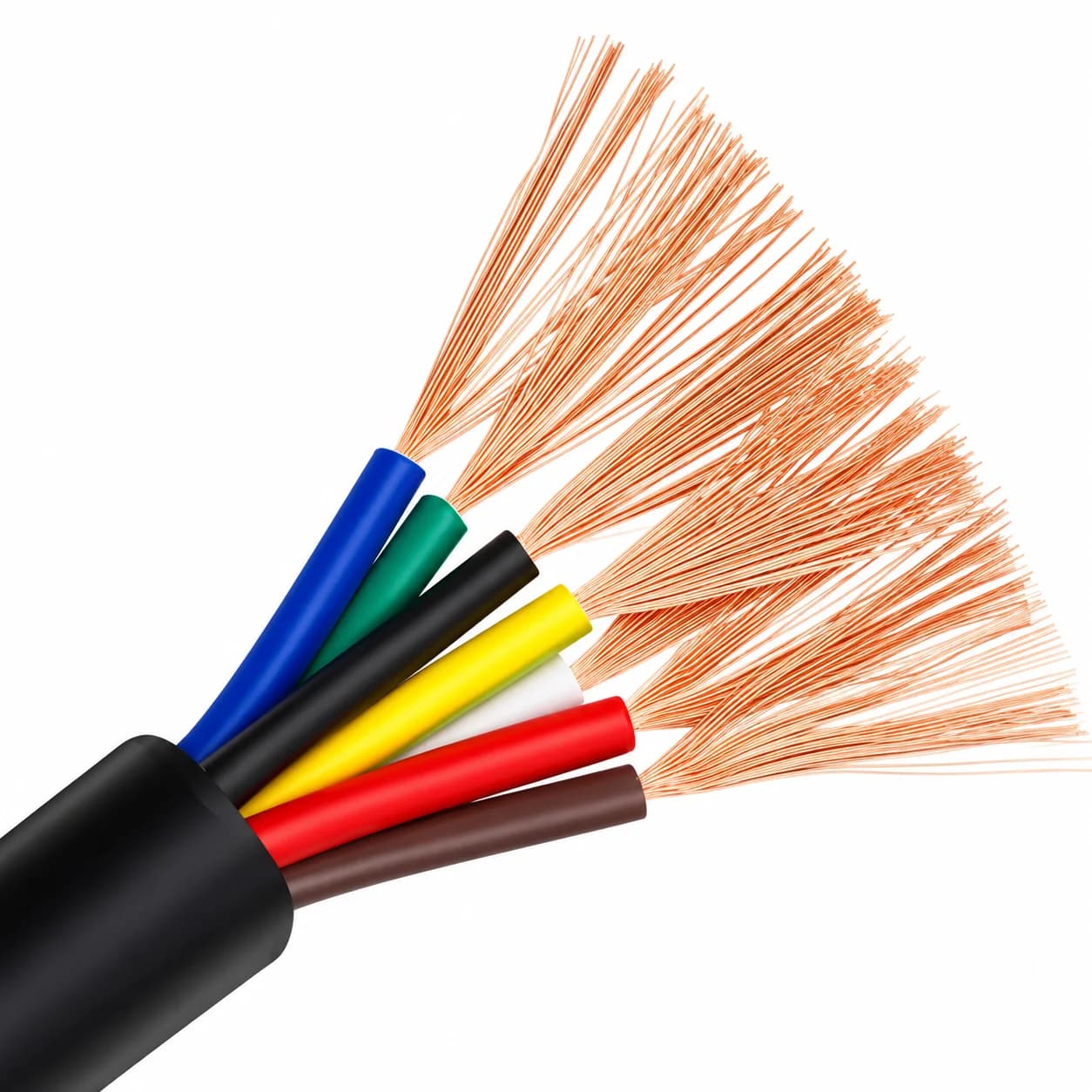
One of the primary engineering advantages of PVC is its physical flexibility. During construction or industrial routing, cables often need to be pulled through narrow conduits, routed around sharp corners, or installed in tight enclosures. Flexible PVC cables—such as RVV flexible cables—reduce installation friction and lower the risk of tearing or structural damage during the pulling process. This flexibility translates to reduced labor time and minimized physical stress on the conductor cores.
3. Resistance to Environmental Factors
In industrial settings, cables are frequently exposed to harsh conditions. A properly compounded PVC sheath offers improved resistance to various environmental threats:
- Moisture and Water: PVC acts as a reliable barrier against ambient humidity and occasional water exposure, preventing the oxidation of the internal copper cores.
- Chemical Exposure: PVC demonstrates moderate to high resistance to weak acids, alkalis, and industrial oils, making it suitable for factory floors.
- UV Radiation: For outdoor use, UV-stabilized PVC compounds can be utilized to prevent the plastic from becoming brittle under prolonged sunlight exposure.
4. Cost-Effectiveness for Industrial Projects
From a procurement perspective, PVC offers a highly predictable and stable cost-to-performance ratio. Compared to highly specialized elastomers or fluoropolymers, PVC raw materials are more accessible and easier to extrude, resulting in a lower overall cost per meter without compromising on essential safety standards.
Detailed Technical Parameters of Standard PVC Sheathing
To provide a technical benchmark, the following table outlines the typical mechanical and electrical parameters of standard electrical-grade PVC sheathing materials. (Note: Exact specifications may vary based on customized compounding and regional standards such as IEC 60227).
Technical Property | Test Standard (e.g., IEC/ASTM) | Typical Value Range for PVC Sheath |
Tensile Strength (Before Aging) | IEC 60811-1-1 | ≥12.5MPa |
Elongation at Break (Before Aging) | IEC 60811-1-1 | ≥150% |
Volume Resistivity (at 20℃) | ASTM D257 | 1013~1014Ω·cm |
Operating Temperature Range | IEC 60227 | -15℃ to +70℃(up to 90℃ for heat-resistant PVC) |
Flame Retardancy | IEC 60332-1 | Self-extinguishing; standard compliance |
Density | ASTM D792 | 1.35~1.45g/cm |
For detailed methodologies regarding international electrical testing, you can refer to the official International Electrotechnical Commission (IEC) guidelines.
Common Industrial and Commercial Applications
Due to its versatile formulation, PVC sheath cables are integrated into almost every sector of modern infrastructure.
Residential and Commercial Wiring
In building construction, PVC sheathed cables are the industry standard for internal wiring. Products like standard BV building wires often utilize PVC insulation and sheathing to provide safe, long-lasting power distribution inside walls, ceilings, and conduit systems. They offer the necessary mechanical protection to withstand the rigors of standard civil construction.
Power Distribution and Infrastructure
For low to medium-voltage power distribution networks, PVC is frequently utilized as the outer jacket protecting cross-linked internal cores (such as YJV cables). The robust nature of the PVC sheath protects the electrical transmission lines from the mechanical impacts associated with trenching, direct burial (when properly armored), and cable tray installations.

Industrial Automation and Control Systems
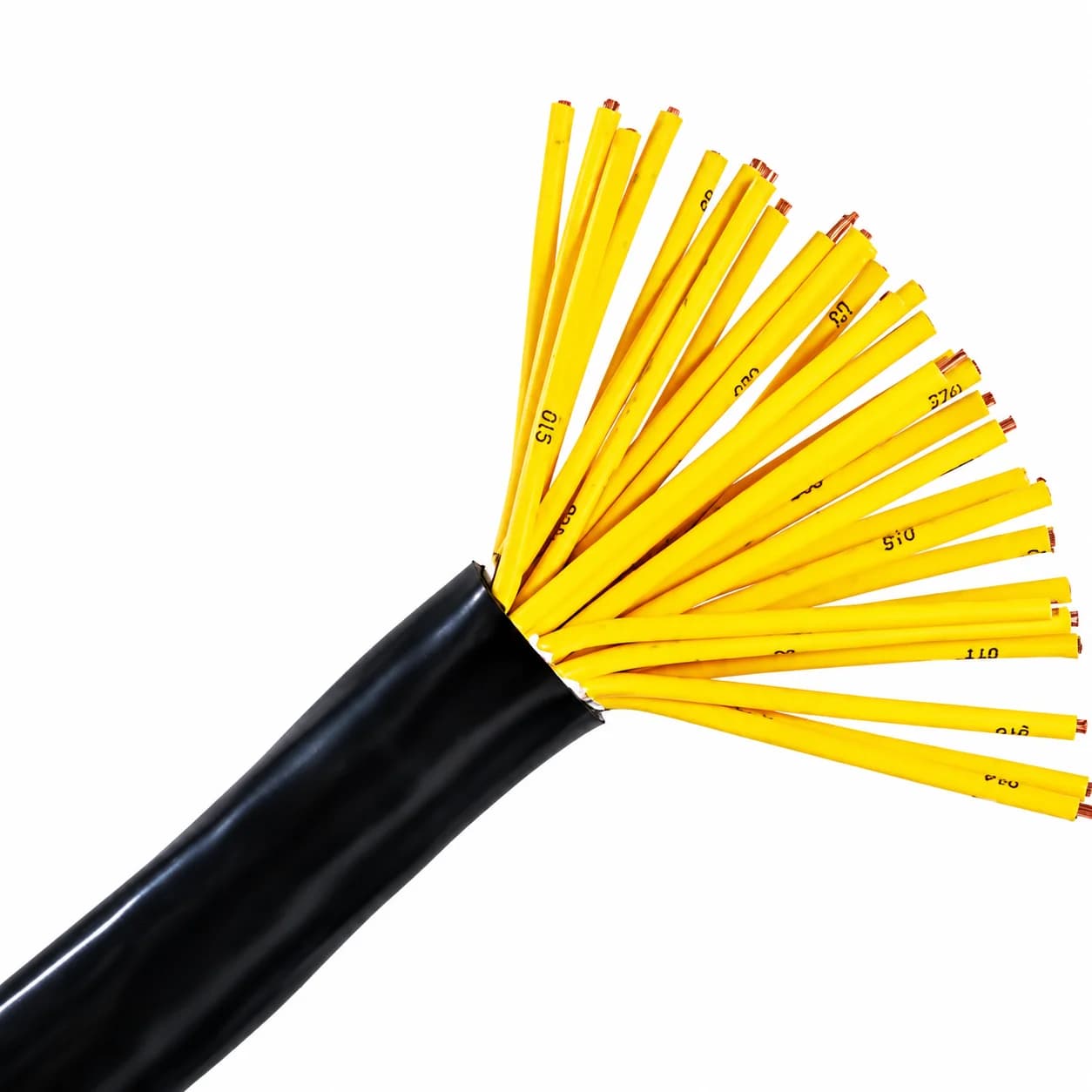
In manufacturing environments, precision equipment relies on control cables to transmit data and control signals. These cables must endure constant vibration, flexing, and exposure to factory contaminants. This brings us to a specific engineering case demonstrating the importance of material quality.
Proven Performance: Real-World Application of Hongce Cables
Selecting a cable based solely on basic specifications can lead to operational vulnerabilities if the manufacturer uses low-grade raw materials. The following case study highlights how rigorous quality control directly impacts industrial automation reliability.
Case Study: Upgrading Control Systems for a Local Machinery Plant (2025)
The Challenge:
In 2025, a local machinery manufacturing plant contacted our engineering team regarding recurring electrical failures. The facility was experiencing worsening signal interference and severe cable wear on their robotic assembly lines. These specific environments are characterized by continuous dynamic flexing and frequent exposure to industrial lubricating oils. The root cause was traced back to their previously installed cables, which failed to meet operational standards over time.
The Solution:
Hongce Cables immediately dispatched a team of engineering experts to conduct an on-site inspection of the plant's wiring infrastructure. The technical assessment revealed that the previous supplier, in an effort to reduce manufacturing costs, had utilized sub-standard PVC raw materials that degraded rapidly under industrial conditions, leading to internal core exposure and signal attenuation.
To resolve this engineering bottleneck, we designed and supplied custom-engineered KVV PVC sheathed control cables. By strictly utilizing premium, market-standard PVC compounds, our newly installed cables offered significantly improved oil resistance and the necessary structural flexibility to withstand continuous robotic movement without material fatigue.
The Result:
The client successfully installed 1,000 meters of our KVV control cables across their active assembly lines. Over the subsequent monitoring period, the plant reported a 30% reduction in maintenance-related downtime compared to their previous operational averages. Furthermore, the upgraded shielding and stable PVC jacketing resulted in reduced signal attenuation. This case study demonstrates that specifying the appropriate, high-quality PVC raw material is not merely a compliance issue, but a critical factor in maintaining consistent productivity in industrial automation systems.

PVC Sheath Cable vs. Other Common Cables (LSZH & XLPE)
To ensure improved energy efficiency and system safety, electrical designers frequently compare PVC with other prominent polymer materials. Understanding these differences prevents over-engineering and reduces unnecessary capital expenditure.
PVC Sheath vs. XLPE Insulation
A common point of confusion is the difference between PVC and XLPE (Cross-Linked Polyethylene). It is important to note that these two materials serve different primary functions and are often used together in the same cable. XLPE is typically used for the inner insulation because it can withstand higher operating temperatures (up to 90℃ or more) and has superior dielectric properties. PVC, on the other hand, is generally used as the outer sheath to provide physical protection and flexibility. A cable with XLPE insulation and a PVC sheath represents a highly reliable solution that leverages the best properties of both polymers.
PVC vs. LSZH (Low Smoke Zero Halogen)
The debate between PVC and LSZH jackets hinges strictly on fire safety regulations and application environments.
- PVC: Contains halogens (chlorine). If exposed to severe fire, standard PVC can release thick smoke and halogen gases. However, it remains the standard choice for open, outdoor, or well-ventilated industrial areas due to its superior flexibility, oil resistance, and lower cost.
- LSZH: Formulated without halogens. In the event of a fire, LSZH cables emit very little smoke and no toxic halogen gases. They are strictly required by modern safety codes for confined, poorly ventilated, and high-occupancy spaces, such as underground transit systems, hospitals, and high-rise commercial basements.
For an in-depth understanding of how building codes dictate material selection, the IEEE (Institute of Electrical and Electronics Engineers) Standards Association provides comprehensive technical literature.
How to Choose a Reliable PVC Sheath Cable Manufacturer?
Procuring cables from a dependable manufacturer minimizes the risk of premature system failure. When auditing a supplier, consider the following technical criteria:
- Raw Material Transparency: As demonstrated in our 2025 case study, the quality of the PVC compound dictates the cable's lifespan. Reliable manufacturers use non-recycled, virgin PVC compounds with specific plasticizers designed for industrial longevity.
- Stringent Quality Control and Testing: Ensure the factory conducts in-house testing for aging, tensile strength, and cold bending. Cables should be tested to ensure they maintain their integrity even when bent in sub-zero environments.
- Global Certifications: A trustworthy supplier will transparently provide documentation proving their products meet or exceed international standards, such as ISO 9001 quality management systems, CE marking for European compliance, and adherence to IEC electrical standards.
Conclusion
A PVC sheath cable is far more than a simple electrical conduit; it is a meticulously engineered component designed to protect vital power and data networks from mechanical, chemical, and environmental degradation. While it is one of the most cost-effective materials on the market, achieving operational reliability requires sourcing cables manufactured with high-grade, standard-compliant PVC compounds.
Whether you are upgrading an automated robotic assembly line with durable control cables or laying down power distribution networks for a new commercial facility, understanding material properties ensures your project remains safe, compliant, and efficient.
Are you looking for reliable, standard-compliant PVC sheathed power or control cables for your next engineering project? Contact the technical team at Hongce Cables today to discuss custom formulations, request technical data sheets, and secure a quotation tailored to your specific industrial requirements.
About the Author
Junjie Cheng – Senior Cable Engineer at Hongce Cable Junjie Cheng is the Senior Cable Engineer at Zhejiang Hongce Cable Co., Ltd., specializing in power cable design, manufacturing processes, and international quality control. He leads Hongce Cable’s technical team to deliver customized cabling solutions for global infrastructure and power grids. Mr. Cheng specializes in the engineering of medium-to-high voltage cables. He recently spearheaded the successful technical review and production of a RMB 5.5 million (approx. USD 760K) export project to Malaysia, delivering high-performance YJLV 6/10KV 3*150 mm² XLPE insulated aluminum power cables. His deep expertise in triple-layer co-extrusion and drum twister cabling guaranteed the strict mechanical and electrical performance required for Malaysia's power environment. Under his technical guidance, Hongce Cable ensures all products comply with IEC, BS, ASTM, and CE certifications, providing safe, efficient, and certified power transmission solutions to global B2B buyers.