Engineering Guidelines for Supplier Evaluation and Optimal Selection of Electric Vehicle Charging Pile Cables
Support for technical rating, risk avoidance and supplier rating in the construction of new‑energy charging facilities
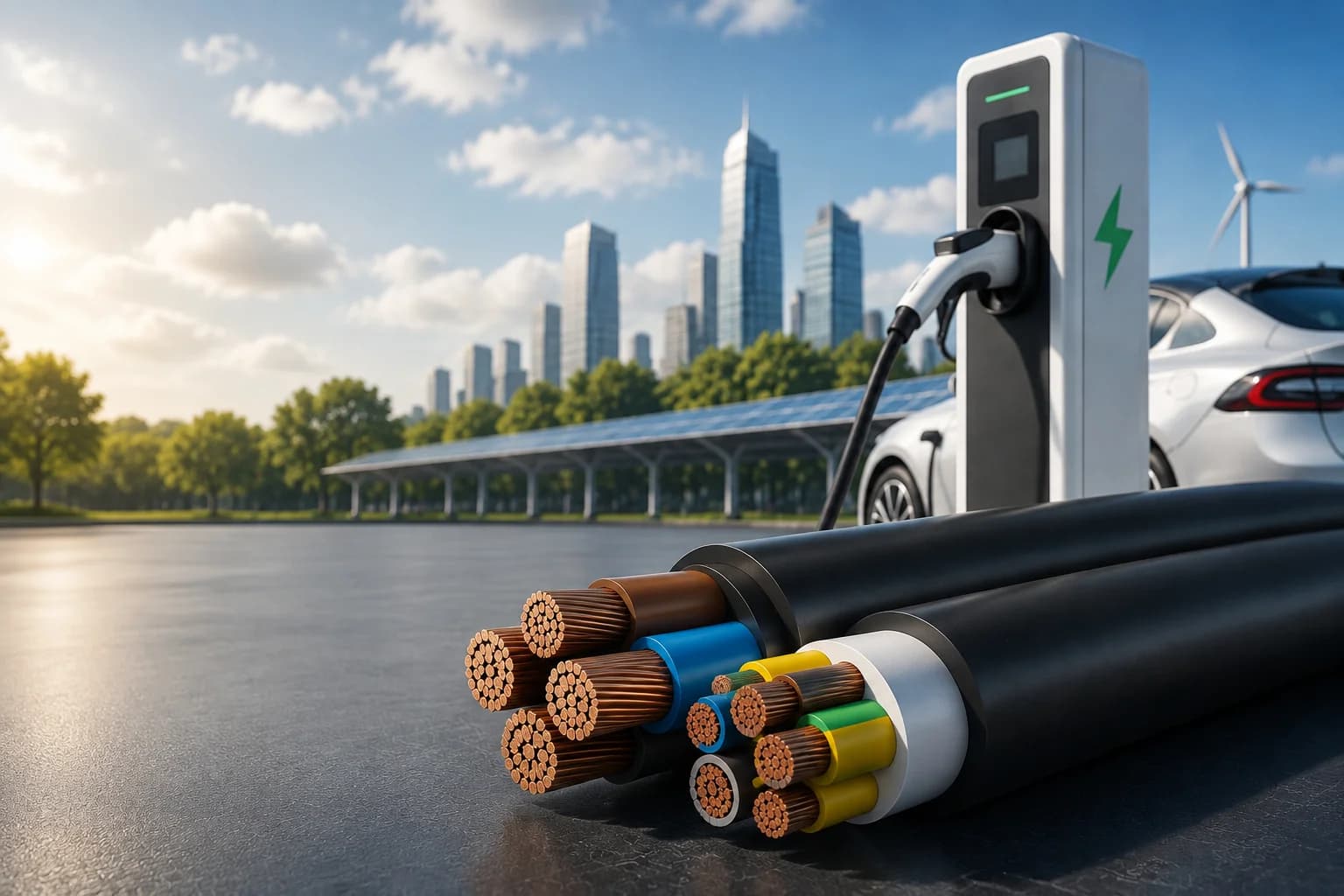
A comprehensive guide for EPCs and developers on evaluating EV charging cable manufacturers, covering certifications, materials, and infrastructure solutions.
Comprehensive Guide: How to Evaluate EV Charging Cable Manufacturers for Infrastructure Projects
The transition toward electric mobility is driving significant investment in Electric Vehicle (EV) charging infrastructure. According to the International Energy Agency (IEA), the growth of electric vehicle adoption necessitates a scalable deployment of public and private charging networks globally. From highway charging corridors to urban commercial hubs and municipal bus depots, these evolving networks require reliable and safe power delivery systems.
At the center of every charging ecosystem is a component that plays a direct role in safety, user experience, and operational uptime: the cable. However, a complete EV charging station involves a complex electrical network that extends from the medium-voltage municipal grid down to the EV battery.
For EPC (Engineering, Procurement, and Construction) contractors, EVSE (Electric Vehicle Supply Equipment) OEMs, and infrastructure developers, sourcing these critical cable components requires objective evaluation. Selecting improper specifications can lead to accelerated wear, insulation failure, excessive heat build-up, and unexpected operational downtime.
To mitigate operational risks, optimize budgets, and maintain project timelines, partnering with a specialized EV charging cable manufacturer is a practical approach. This guide details the technical evaluation criteria, material science, and vendor qualifications necessary for large-scale EV infrastructure projects.
Understanding the Complete Charging Station Ecosystem
Before evaluating a manufacturer for the terminal EV charging cables, it is necessary to recognize that a capable manufacturer should be able to supply the electrical backbone of the infrastructure. A public charging station requires power distribution cables to route electricity from transformers to the charging pedestals safely.
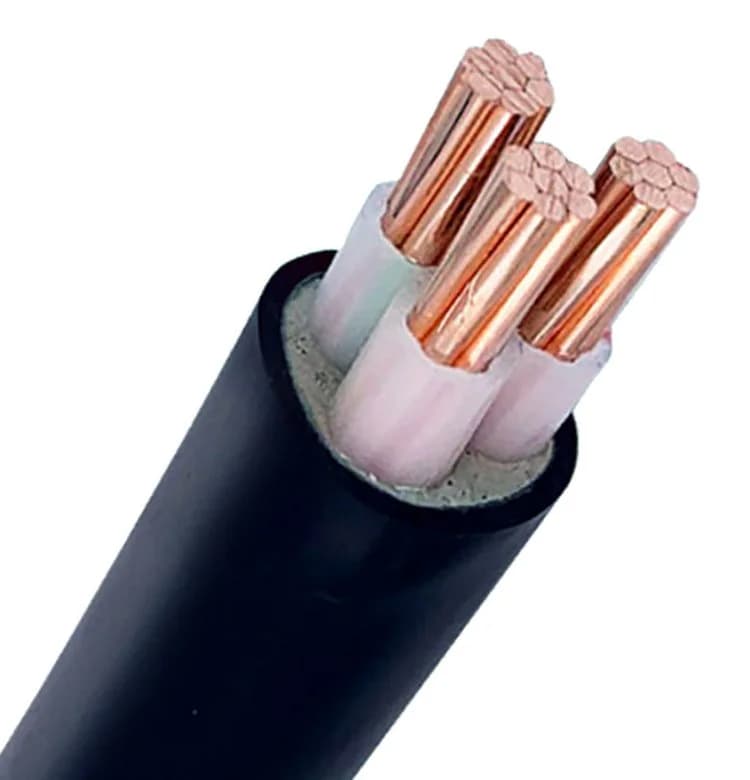
A qualified manufacturer offers a portfolio that includes standard and specialized power distribution cables. For underground and infrastructure routing, developers frequently specify XLPE (Cross-linked Polyethylene) power cables.
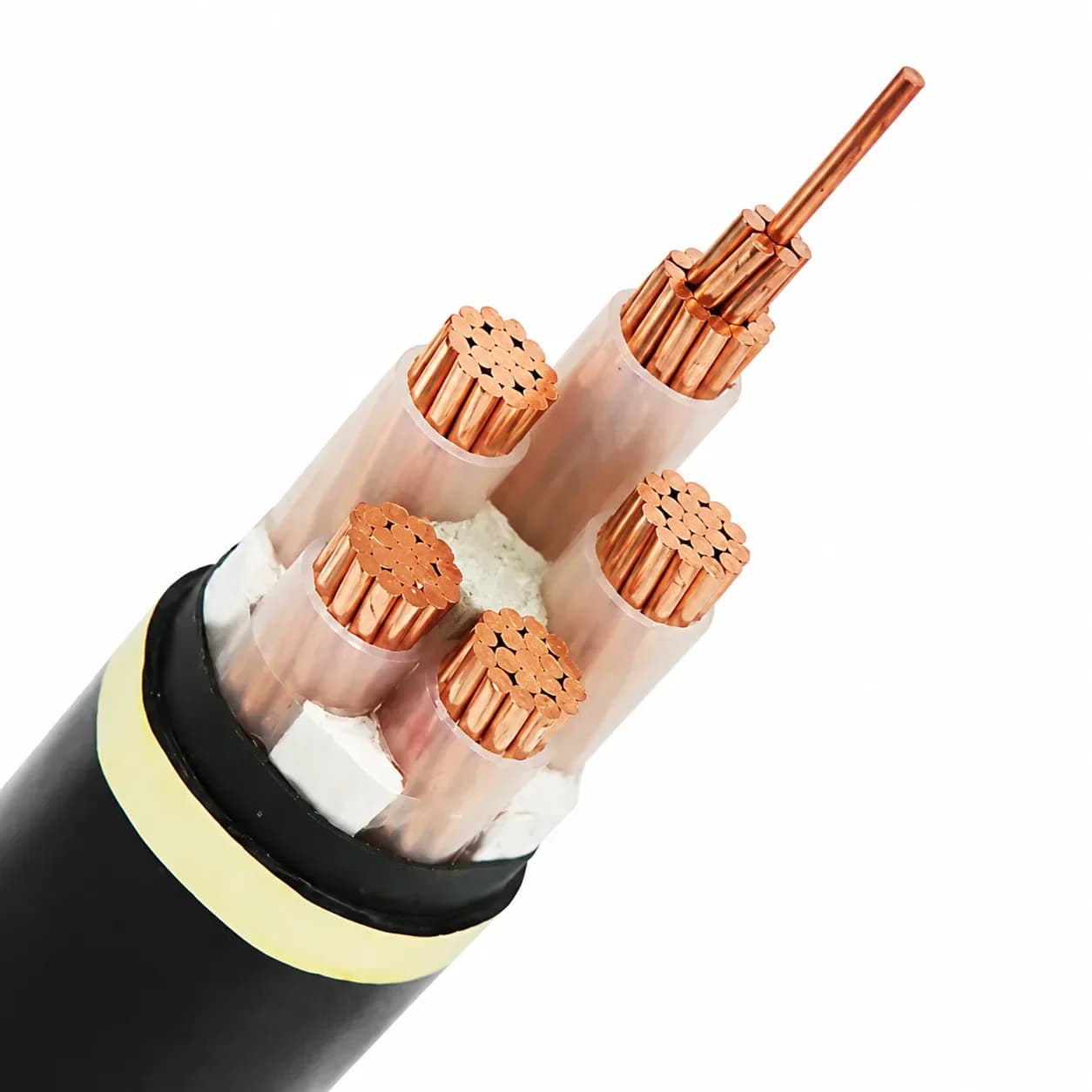
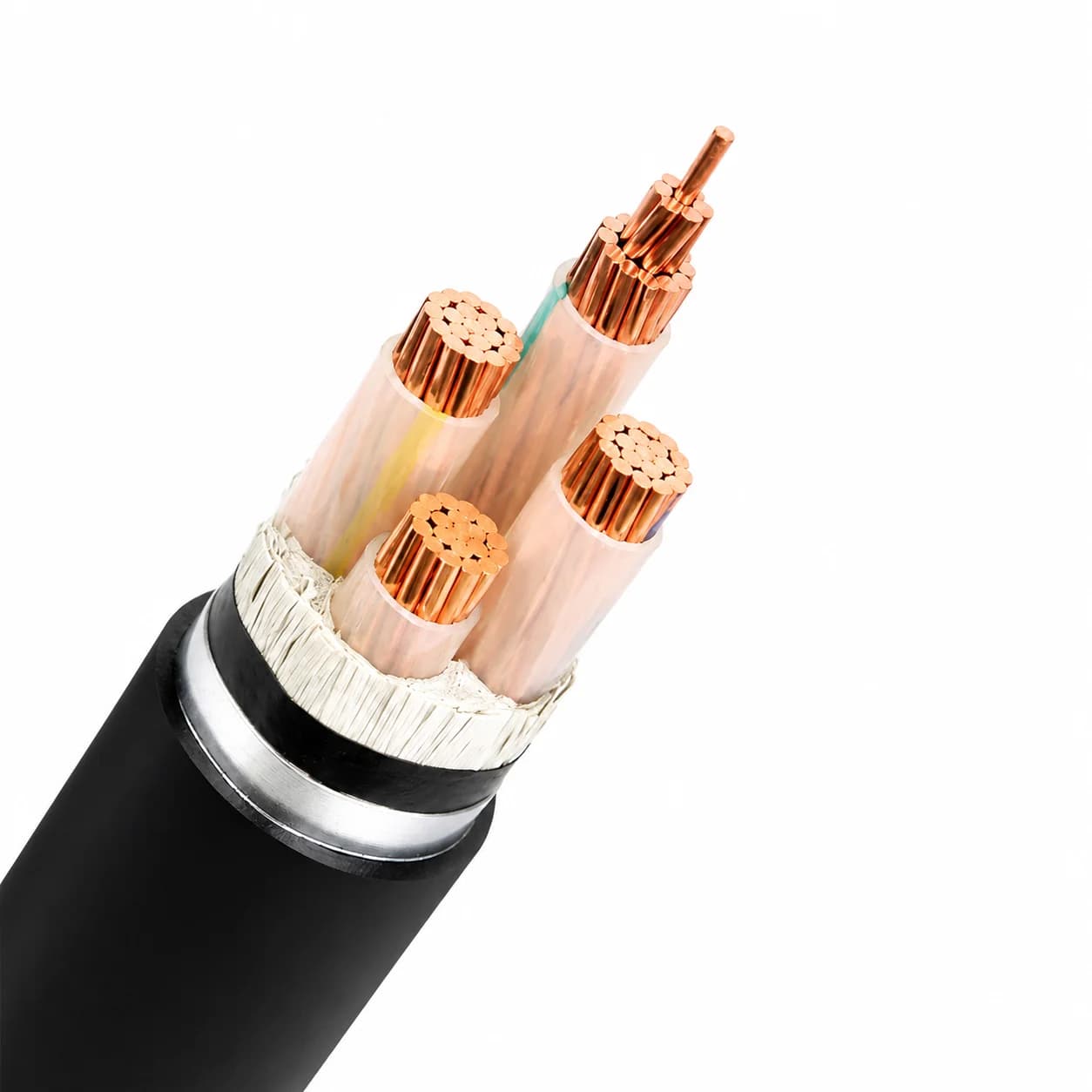
For instance, primary grid connections often utilize standard YJV cables for power transmission. When laying cables underground where mechanical protection is required, ZR-YJV22 cables (Flame-retardant, steel tape armored XLPE insulated power cables) are widely specified, providing resistance to external mechanical forces and rodent damage.
Furthermore, in densely populated infrastructure zones like indoor parking garages or integrated digital auto cities, strict fire-safety compliance is required. In the event of a thermal emergency, cables must minimize the emission of toxic fumes. This is where WDZN-YJY cables (Halogen-free, low-smoke, flame-retardant XLPE power cables) are utilized, helping to maintain electrical integrity while reducing toxic smoke during building evacuations.
Sourcing both the underlying grid cables and the terminal EV cables from a single manufacturer can ensure technical compatibility and streamline procurement.
Case Study: Supplying the 2026 Digital Auto City Project
Reviewing a manufacturer's history in public bidding and project execution provides verifiable insight into their operational capacity and compliance standards.
In early 2026, a Digital Auto City project initiated a public bidding process to procure the electrical infrastructure for its EV charging network. The project's specifications demanded a volume supply of cost-effective medium-voltage and low-voltage distribution cables, specifically ZR-YJV22 medium-voltage cables and WDZN-YJY 5×10mm² power cables. The procurement committee required participating manufacturers to provide qualification documentation, third-party test reports, and transparent pricing structures.
Upon the release of the tender, Hongce Cables prepared a comprehensive bid detailing our adherence to GB (National) standards, manufacturing capabilities, and an itemized pricing matrix.
Among competing cable suppliers, Hongce Cables was awarded the contract based on meeting the technical specifications and offering a competitive price-to-performance structure.
Following the contract award, production of the ZR-YJV22 and WDZN-YJY 5×10mm² cables was scheduled. The cables were manufactured using specified standard-compliant materials and oxygen-free copper, undergoing standard quality assurance testing. The order was completed and delivered within the contracted lead-time parameters. This project demonstrates Hongce Cables' capacity as a reliable source supplier for large-scale infrastructure developments.

Adherence to International Certifications
For the terminal EV charging cables (connecting the charger to the vehicle), regulatory compliance is a mandatory requirement. These cables operate under dynamic voltage loads in publicly accessible areas, making international standardization essential.
Why IEC and EN Standards Matter
When evaluating potential suppliers, it is critical to confirm that their product portfolio features cables complying with the International Electrotechnical Commission (IEC) standards, specifically IEC 62893 for global and Asian markets, and EN 50620 for European deployments. These certifications verify that the cable meets baseline requirements for electrical conductivity, mechanical torsion limits, thermal endurance, and flame retardancy.
In-House Testing Capabilities
An established manufacturer verifies third-party certifications with continuous in-house batch testing. A standard facility will conduct routine tests including:
- Spark and Dielectric Voltage Testing: To identify insulation imperfections and prevent electrical breakdown under high voltage.
- Flex Fatigue and Torsion Tests: To simulate dynamic bending cycles, ensuring the conductors and jacket resist mechanical degradation over time.
- Environmental Chamber Testing: To subject cables to artificial weathering, UV radiation, and ozone exposure, verifying longevity in outdoor environments.
Material Science and Metallurgy Specifications
Unlike industrial power lines routed through fixed conduits, EV charging cables are subjected to physical handling, outdoor weathering, UV radiation, and chemical exposure (such as automotive oils). The working lifespan of a charging cable depends largely on the chemical composition of its jacketing and the metallurgy of its conductors.
Insulation and Jacketing Compounds: TPU vs. TPE
A qualified manufacturer provides technical assistance to help infrastructure planners choose the suitable compound for their deployment environment:
- TPU (Thermoplastic Polyurethane): The preferred choice for heavy-duty public fast chargers. TPU offers high mechanical strength, abrasion resistance, tear strength, and flexibility across wide temperature ranges (-40°C to +90°C). It is resistant to microbes, oils, and UV light.
- TPE (Thermoplastic Elastomer): Provides adequate weatherability and flexibility at a competitive material cost, making it suitable for standard commercial AC charging applications and residential units.
Feature / Characteristic | TPU (Thermoplastic Polyurethane) | TPE (Thermoplastic Elastomer) |
Primary Application | Heavy-duty public fast-charging stations | Standard commercial AC chargers / lower-power |
Operating Temperature | -40°C to +90°C | Standard ambient ranges |
Mechanical Strength | Excellent (High tear and wear resistance) | Moderate |
Chemical & Oil Resistance | Outstanding | Good |
Flexibility | High (Maintains flexibility in extreme cold) | Good |
Cost-Effectiveness | Premium material cost | Highly competitive / Cost-effective |
The Conductor Core: Oxygen-Free Copper Metallurgy
The efficiency of power transfer impacts the thermal management of the cable. Industry-standard manufacturers utilize oxygen-free copper for their internal conductors. High-purity, oxygen-free copper exhibits lower electrical resistance compared to standard electrolytic copper. This reduction minimizes Joule heating (heat generated by current flow), supporting improved energy efficiency and maintaining safer operating temperatures during high-power applications.
Engineering for High-Power DC Fast Charging
As electric vehicle battery capacities grow, the industry is transitioning toward high-power DC fast charging systems (ranging from 150kW to 350kW). Transmitting these high currents generates significant thermal energy, presenting specific engineering requirements.
Thermal Management via Liquid Cooling
Conventional air-cooled cables designed to carry continuous currents above 200 Amps require thicker copper conductors, resulting in heavy, rigid cables that are difficult for everyday drivers to handle. To address these handling and thermal limits, high-power stations utilize liquid-cooled cable systems.
As a specialized DC fast charging cable manufacturer, a supplier integrates internal cooling channels alongside the copper conductors. This system pumps a dielectric coolant mixture through the cable, effectively dissipating heat. This thermal management allows for high current transmission while maintaining a thinner outer diameter and a manageable weight. Verifying a supplier's manufacturing capabilities in liquid cooling technology is critical for high-power infrastructure.
Global Standards and Regional Compliance
Executing international infrastructure projects requires an established export workflow and an understanding of regional electrical grid standards.
Evaluating a supplier's international experience helps ensure smooth project execution. Direct technical engagement in regional markets provides practical insight into local regulatory requirements. For instance, Hongce Cables' leadership traveled to Singapore in late May 2026, working with business associations to evaluate regional green energy infrastructure. This direct assessment ensures that our EV cables and infrastructure power lines are aligned with the specific environmental and regulatory demands of the Southeast Asian market.
Signal Integrity and EMC Shielding
Different EVSE platforms utilize proprietary communication protocols, requiring tailored conductor layouts and integrated signal/control cores (such as CP/PP lines). In high-power DC environments, cables require robust Electromagnetic Compatibility (EMC) shielding—such as tinned copper braiding—to achieve reduced signal attenuation and lower signal loss, ensuring stable data transmission despite electromagnetic interference.
Supply Chain and Production Planning
Schedule delays can increase overall project costs. Partnering with a source manufacturer that operates automated extrusion lines and standardized quality control protocols helps reduce supply chain interruptions and ensures batch consistency. Direct manufacturers possess the operational control to adhere strictly to project delivery schedules.
Conclusion
Selecting an EV charging cable manufacturer for infrastructure projects requires an objective evaluation of their production capacity, adherence to international certifications, material science capabilities, and engineering solutions for high-power DC applications. By prioritizing these criteria, developers can ensure their charging networks support long-term operational stability.
At Hongce Cables, we engineer and manufacture EV charging infrastructure solutions for industrial and commercial environments. From foundational ZR-YJV22 and WDZN-YJY cables to liquid-cooled, IEC-certified terminal EV cables, our products are manufactured to verified standard compliance.
Contact the Hongce Cables engineering team to request technical specifications, testing reports, or factory-direct quotations for your electric vehicle infrastructure project.
About the Author
Liangce Chi currently serves as Southeast Asia Market Analyst at Zhejiang Hongce Cable Co., Ltd. His work involves in-depth research covering power infrastructure construction across Southeast Asia, price trends of bulk commodities, and cross-border cable trade compliance. Combining insights from macroeconomic data with extensive hands-on cross-border trade experience, Liangce Chi goes beyond theoretical research and conducts on-site assessments of industrial manufacturing investment climates in Thailand, Vietnam, Indonesia and other Southeast Asian markets. Drawing on his professional work, he secured bulk orders from well-established Thai enterprises for Zhejiang Hongce Cable. This landmark achievement has laid a solid quantitative foundation for the company to further expand its market share of industrial building support cables in Thailand and the broader Southeast Asian region.