PVC Power Cable vs. XLPE Cable: Which is Best for Underground Projects?
An Engineering Comparison of Thermal Limits, Moisture Defense, and Lifetime ROI for Subterranean Infrastructure
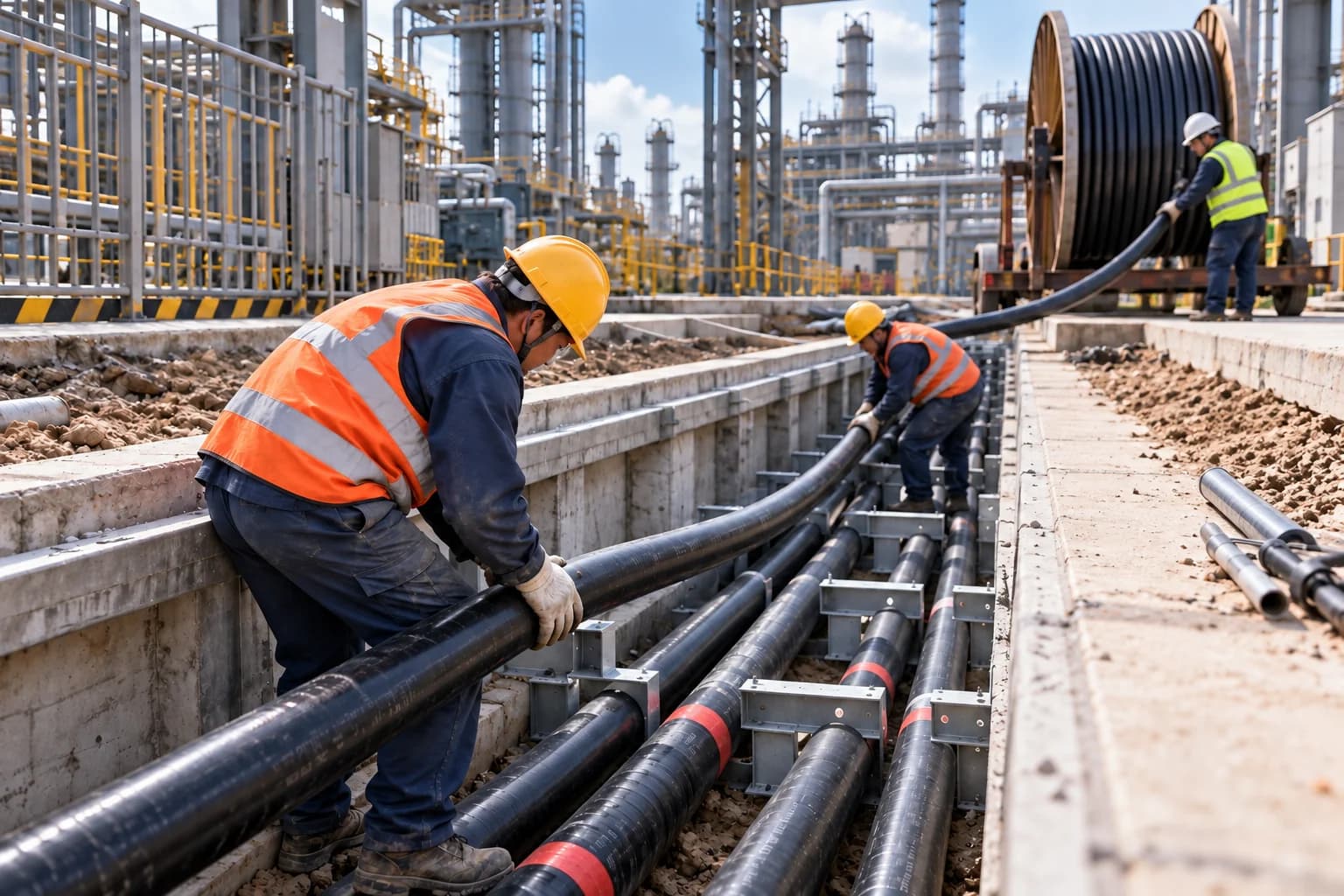
Struggling to choose between PVC and XLPE power cables for your underground project? This guide compares their thermal limits, water resistance, and long-term ROI. While PVC is cost-effective for standard low-voltage uses, XLPE delivers superior 90°C heat resistance for heavy-duty industrial trenches. Read Hongce Cables' expert breakdown to maximize your system's reliability.
When you plan an infrastructure project, choosing the right underground power cable is a critical decision. Underground areas create unique problems for electrical transmission. The dirt traps heat, constant water attacks the cables, and heavy soil presses down on the structures.
For years, engineers and procurement managers have debated between two main materials: PVC and XLPE. Both materials work well, but they perform very differently under heavy loads and harsh weather. If you make the wrong choice, your cables might age too fast, which leads to system failures and expensive repairs.
This guide explains the technical differences between PVC and XLPE cables. It shows how they handle underground stress and helps you pick the most reliable and cost-effective option for your next project.
What is a PVC Power Cable?
PVC (Polyvinyl Chloride) is a very common plastic material in the wire and cable industry. A PVC power cable uses this material for its core cover, its outer jacket, or both.
Key Features of PVC Insulation
People choose PVC because it has many uses, is easy to process, and saves money upfront. In normal environments, it provides good electrical safety and protects the metal cores from mild physical bumps and light chemical exposure.
Standard PVC cables resist fire. They stop burning when you remove the heat source, which helps them meet basic safety rules. However, the plastic softens quickly when it gets too hot. Engineers typically rate standard PVC cables for a maximum continuous operating temperature of 70°C. You will most commonly use them in low-voltage networks (up to 1kV).
What is an XLPE Power Cable?
XLPE stands for Cross-Linked PE (polyethylene). It represents a huge step forward in cable engineering. Manufacturers take standard PE plastic and use a special chemical process to link its molecules together. This process changes the material from a soft plastic into a tough, heat-resistant solid.
Advantages of XLPE
Because of its strong physical structure, XLPE does not melt easily under high heat. It can run safely at a continuous temperature of 90°C. During sudden short-circuit events, it can even handle temperatures up to 250°C without breaking down.
XLPE also loses less energy over long distances compared to PVC. It provides improved energy efficiency and lower signal loss. These practical benefits make XLPE the top choice for medium and high-voltage underground networks worldwide.

PVC vs. XLPE: Differences in Underground Environments
To choose the right cable, you must compare how these two materials handle the specific stresses of buried trenches.
Heat and Overload Capacity
Heat trapped in the dirt is the biggest problem for buried cables.
- PVC: With a strict 70°C limit, PVC handles less electrical current. If the factory overloads the system, the trapped heat can soften the PVC and cause a dangerous short circuit.
- XLPE: Operating safely at 90°C, XLPE carries more current for the same size. It gives your electrical system a strong safety buffer against sudden power spikes.
Water Resistance
Underground cables constantly face wet soil, seasonal rains, and high water tables.
- PVC: PVC resists water well enough for indoor use. But if you bury it in wet dirt for years, water can slowly break down its electrical defense.
- XLPE: XLPE naturally blocks water much better. For high-voltage uses, manufacturers often add extra water-blocking tapes inside the XLPE cable to keep the metal cores perfectly dry.
Physical Strength in Trenches
When installation teams lay cables in trenches, they drop heavy dirt and rocks over them. Standard unarmored cables bend and break under this weight. Neither plain PVC nor plain XLPE can survive direct burial alone.
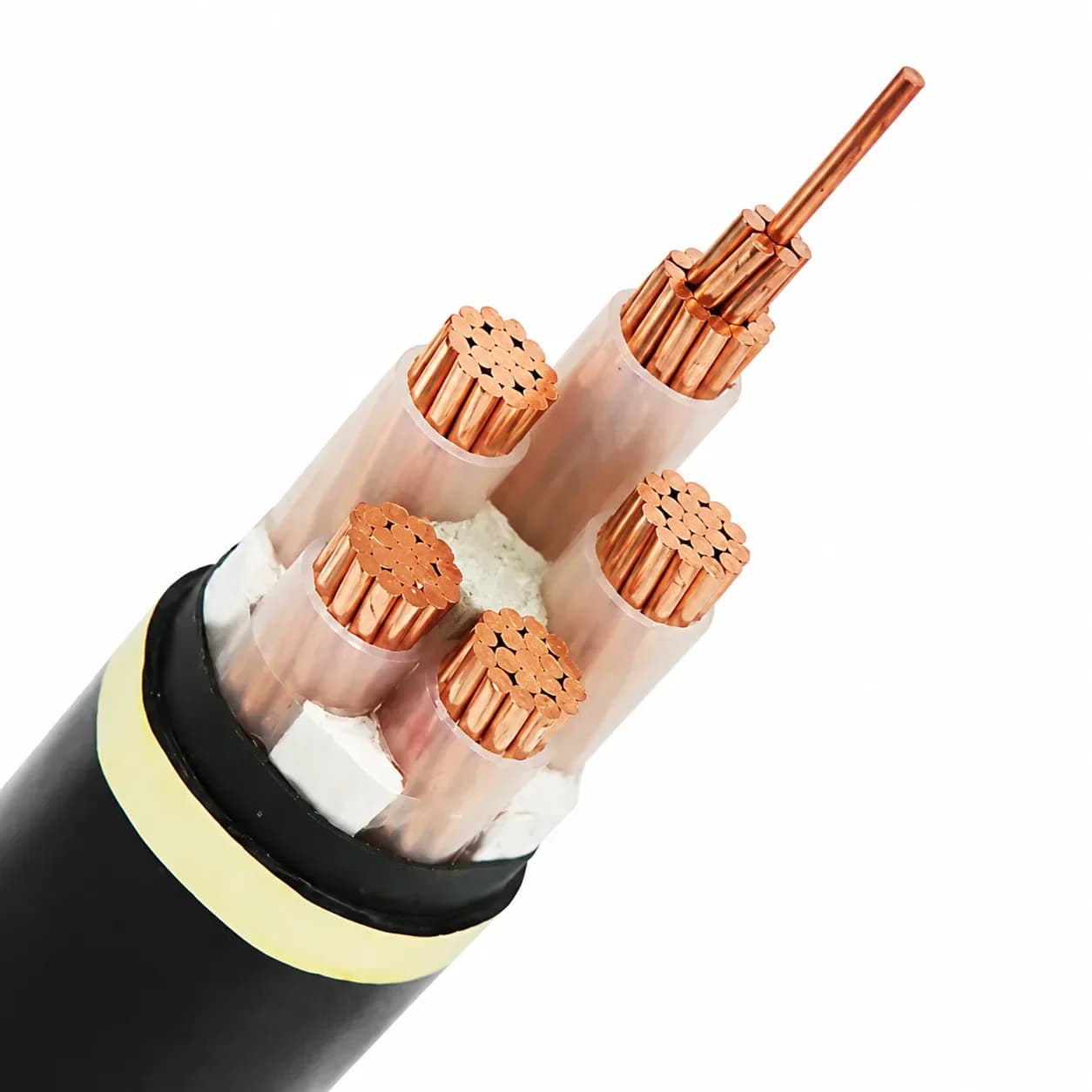
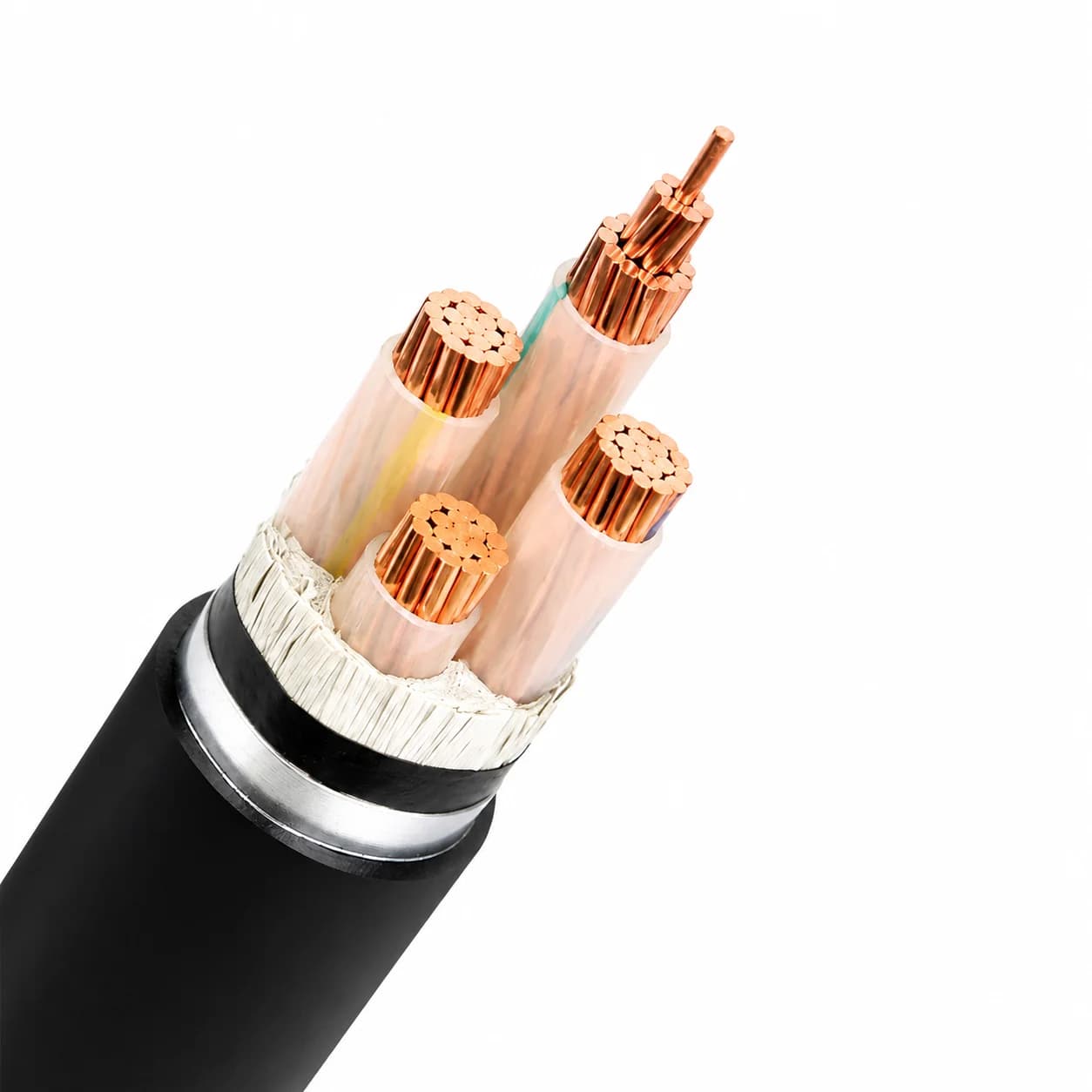
For strong protection, engineers use armored designs. The YJV22 (Cu/XLPE/STA/PVC) cable uses XLPE on the inside, strong steel tape armor (STA) in the middle, and a PVC outer jacket. The steel takes the physical hit, which saves the sensitive core inside.
Lifespan and Cost
XLPE cables usually last much longer than PVC underground. PVC costs less to buy at first. However, because XLPE carries more power, you can often buy a smaller XLPE cable to do the exact same job. Over time, XLPE saves you money on repairs and gives a better long-term Return on Investment (ROI).
Technical Parameter Comparison Table
Use this quick reference table to compare the standard technical specs of PVC and XLPE.
Feature | PVC Power Cable | XLPE Power Cable |
Material Base | Soft Plastic | Heat-Resistant Solid |
Max. Normal Temp. | 70°C | 90°C |
Max. Short Temp. | 160°C | 250°C |
Current Capacity | Standard | High (10-20% more than PVC) |
Water Resistance | Moderate | High |
Common Voltage | Low Voltage (up to 1kV) | Low to High Voltage |
(For full testing guidelines, please review the IEC 60502-1 standards.)
Case Study: Meeting IEC 60502 Standards for an Industrial Plant
Let's look at how these differences matter in the real world by reviewing a recent project supplied by Hongce Cables.
Project Background: A Harsh Underground Site
In 2023, a large international factory started a massive electrical grid expansion. This facility sits in a hot, wet coastal area.
The project required extensive underground cables running through complex trench networks. Soil reports showed high moisture levels and small amounts of harsh chemical waste from nearby processing plants.
To ensure long-term stability, the foreign investors made a strict rule. They mandated that all electrical infrastructure must strictly follow the IEC 60502 international standard.

Why Standard PVC Failed the Test
At first, a contractor wanted to use standard PVC cables to save upfront money. But the Hongce Cables engineering team saw a critical risk.
Our team calculated the heat levels inside the dirt trenches. We proved that the buried environment would trap too much heat during continuous factory operations. The PVC cables would quickly reach their 70°C limit and fail. Also, the standard PVC jacket could not resist the harsh chemicals found in the local soil.
Hongce’s XLPE Solution
To fix this, Hongce Cables designed a custom export-grade XLPE solution. We supplied the YJV (Cu/XLPE/PVC) for clean duct areas and the stronger YJV22 (Cu/XLPE/STA/PVC) for direct soil burial.
This setup gave the factory a 90°C safe operating limit. The steel armor protected the cables from heavy dirt, while a special outer jacket blocked the soil chemicals. All cables passed strict factory tests before shipping to ensure IEC compliance.
The Outcome: Reduced Maintenance and High ROI
The factory turned on the power in 2024. Since then, the underground cables have survived hot summers and heavy rains with zero fault records.
The XLPE cables cost 10% more upfront than the PVC option. However, they stopped the factory from digging up the ground for costly repairs. This smart choice reduced later maintenance costs by 40%, giving the stakeholders excellent long-term ROI.
Which Cable Should You Choose?
Selecting between PVC and XLPE depends on your budget, voltage needs, and environment.
When to Use PVC Cables
PVC cables save money for simple, low-risk jobs. Choose them for:
- Low-voltage networks (below 1kV).
- Short underground runs inside clean protective pipes.
- Temporary sites where you can easily reach the cables to replace them.
- Projects with tight budgets and low power needs.
When to Use XLPE Cables
XLPE cables handle the toughest engineering jobs. Choose them for:
- Medium and high-voltage power lines.
- Long direct-burial trenches.
- Factories that use heavy electrical power all day.
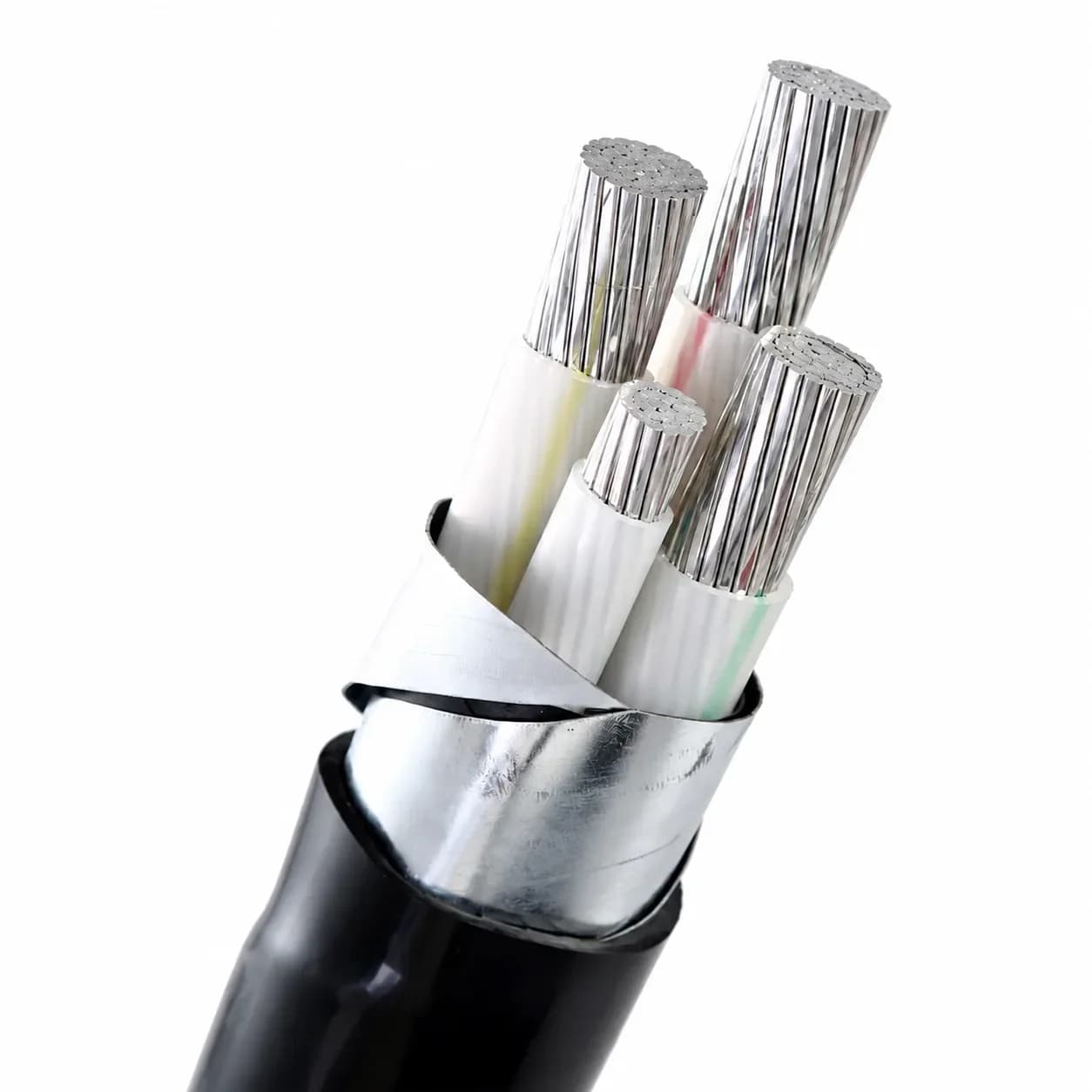
- Projects where you want to use Aluminum cores, like the YJLV22 (Al/XLPE/PVC), to save money while keeping high heat resistance.
Get Reliable Cables from Hongce Cables
Whether you need simple PVC or tough XLPE, the manufacturer's quality determines your project's success.
Hongce Cables makes top-quality electrical products for global buyers. We select the best raw materials and test every product to meet international rules. We build our complete range of YJV, YJV22, and YJLV cables to survive the harshest conditions.
Contact the engineering team at Hongce Cables today to get a custom quote for your next underground project.
About the Author
Junjie Cheng – Senior Cable Engineer at Hongce Cable Junjie Cheng is the Senior Cable Engineer at Zhejiang Hongce Cable Co., Ltd., specializing in power cable design, manufacturing processes, and international quality control. He leads Hongce Cable’s technical team to deliver customized cabling solutions for global infrastructure and power grids. Mr. Cheng specializes in the engineering of medium-to-high voltage cables. He recently spearheaded the successful technical review and production of a RMB 5.5 million (approx. USD 760K) export project to Malaysia, delivering high-performance YJLV 6/10KV 3*150 mm² XLPE insulated aluminum power cables. His deep expertise in triple-layer co-extrusion and drum twister cabling guaranteed the strict mechanical and electrical performance required for Malaysia's power environment. Under his technical guidance, Hongce Cable ensures all products comply with IEC, BS, ASTM, and CE certifications, providing safe, efficient, and certified power transmission solutions to global B2B buyers.