PVC Sheathed Cable vs. LSZH: Which is Better for Indoor Wiring?
A Complete Engineering Guide on Fire Safety, Material Costs, and Installation Efficiency for Commercial Projects

Compare PVC and LSZH cables for commercial and industrial indoor wiring projects. Understand key differences in fire safety compliance, smoke toxicity, installation flexibility, and material costs. Drawing from real-world engineering case studies, this guide helps engineers, contractors, and procurement managers evaluate critical trade-offs, navigate strict building codes, and select the optimal cabling solution for safe, reliable electrical infrastructure.
When designing the electrical infrastructure for commercial buildings, residential complexes, or industrial facilities, selecting the right cabling material is a critical engineering decision. The choice between PVC (Polyvinyl Chloride) and LSZH (Low Smoke Zero Halogen) sheathed cables goes beyond cost. It affects fire safety compliance, installation speed, and long-term electrical network reliability.
As electrical safety regulations become increasingly stringent globally, engineers and procurement managers must weigh the specific benefits and limitations of both materials. Drawing on industry standards and real-world project experience, this guide compares PVC and LSZH cables.
It also includes Hongce Cable’s recent 10-kilometer installation. It helps you choose the best option for indoor wiring projects.
What is a PVC Sheathed Cable?
PVC (Polyvinyl Chloride) has been the dominant insulation and sheathing material in the wire and cable industry for decades. It is a synthetic plastic polymer known for its versatility and durability.
Material and Structure of PVC Cables
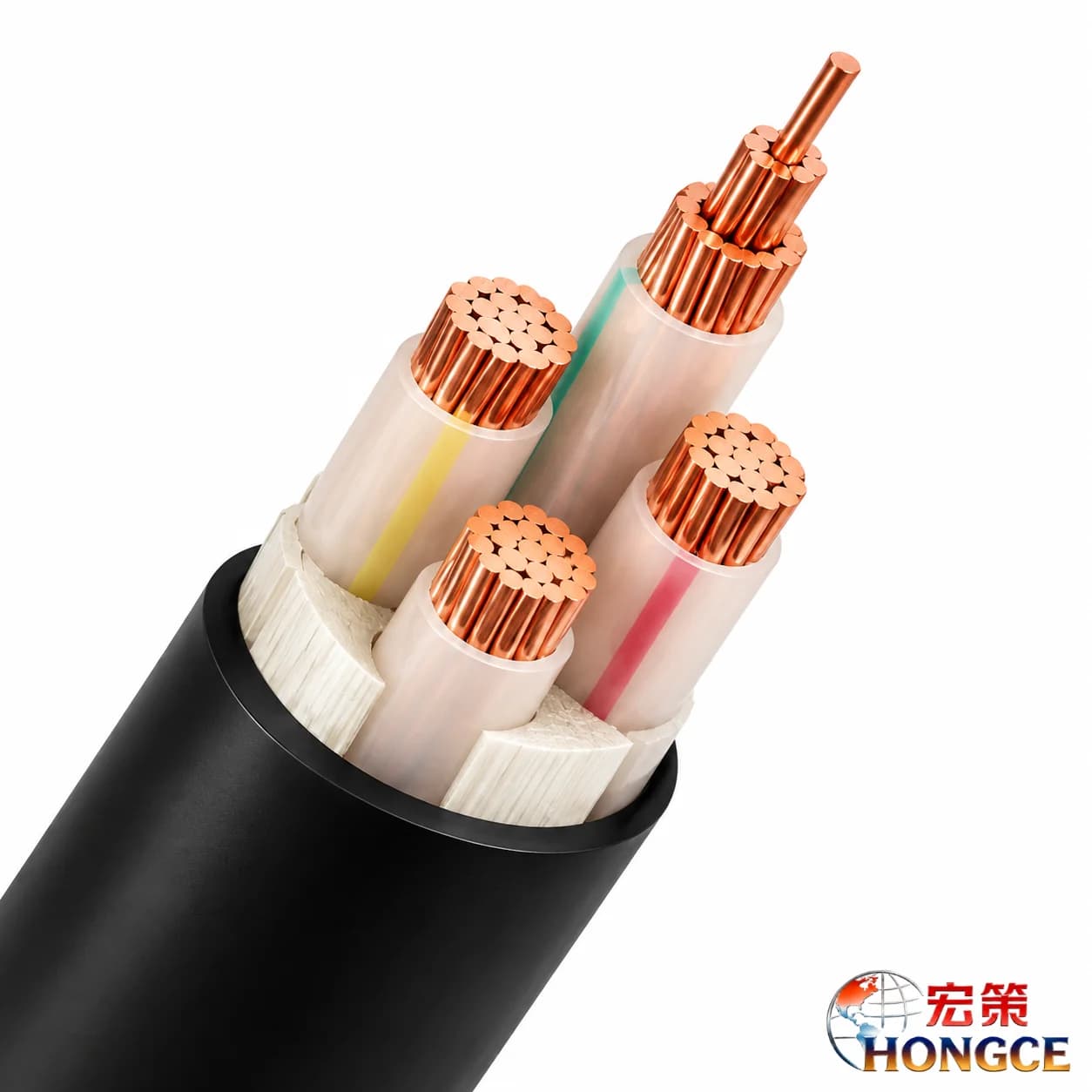
Standard PVC cables are manufactured using thermoplastic polymers blended with plasticizers to enhance their flexibility. The core conductors, usually copper or aluminum, have PVC insulation.
A protective PVC outer sheath covers the entire assembly.
Core Advantages of PVC Wiring
Cost-Effectiveness: PVC is highly economical to produce, making it a standard choice for projects with strict budget constraints.
High Flexibility: Adding plasticizers gives PVC cables great flexibility. This lets you route them through complex conduits, tight corners, and narrow spaces.
Robust Chemical Resistance: PVC resists moisture, mild acids, and alkalis. This helps it last in standard indoor settings.
The Critical Disadvantage: Fire Hazards and Toxicity
While PVC is highly effective for general electrical transmission, its primary drawback lies in its behavior during combustion. When exposed to fire, PVC cables release thick, black smoke that drastically reduces visibility, hindering evacuation efforts. More critically, burning PVC emits hydrogen chloride (HCl) gas. When this halogen gas mixes with moisture in the air or human respiratory tracts, it forms corrosive hydrochloric acid. This toxic emission can seriously harm building occupants and may cause permanent damage to sensitive electronic equipment and servers.
What is an LSZH Cable?

LSZH stands for Low Smoke Zero Halogen (sometimes referred to as LSOH or LSHF). As the name suggests, these cables are made to reduce the fire risks linked to standard PVC.
Defining Low Smoke Zero Halogen
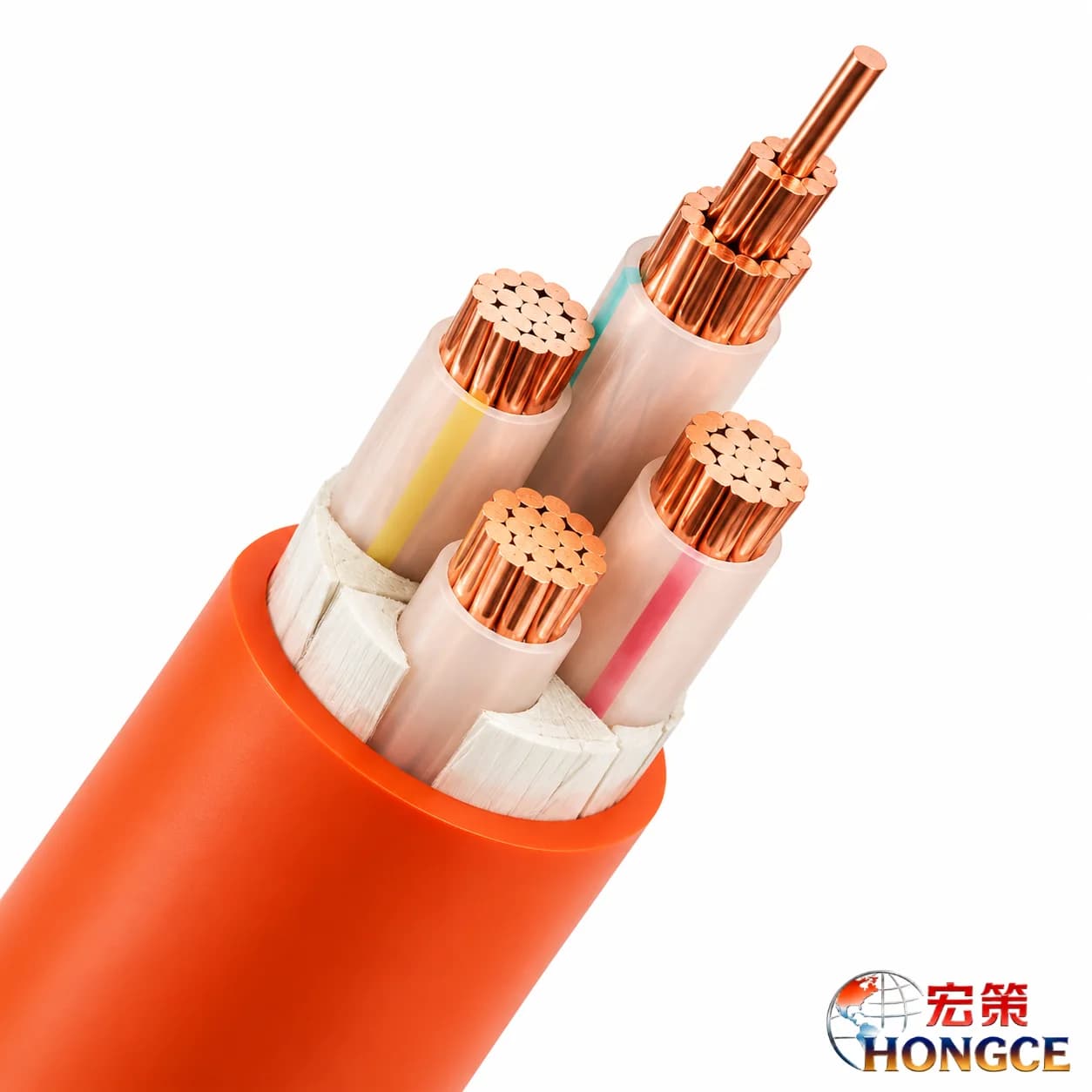
LSZH cable sheathing is made from thermoplastic or thermoset compounds that contain no halogens, like chlorine, fluorine, or bromine. Instead of traditional plasticizers, they often use flame-retardant additives like aluminum trihydrate.
These additives release water vapor when heated to help suppress flames.
Key Advantages of LSZH Cables
Enhanced Fire-Safety Compliance: In the event of a fire, LSZH cables emit negligible amounts of smoke. This maintains clear visibility for emergency exits and rescue operations.
Zero Toxic Halogen Release: These cables have no halogens. When they burn, they do not release toxic gases. They also do not release corrosive acid gases. This protects human respiratory systems and prevents acid-induced corrosion on expensive IT infrastructure and machinery.
Environmental Compatibility: The absence of toxic chemicals makes LSZH cables more environmentally friendly during both their operational lifecycle and post-disposal processes.
Limitations of LSZH Cables
Higher Initial Cost: LSZH needs specialized compounds that cost more than standard PVC. This leads to a higher upfront purchase cost.
Reduced Flexibility (Traditionally): Standard LSZH compounds tend to be more rigid than PVC. Historically, this stiffness has made installation more challenging and increased the risk of sheath cracking during sharp bends. However, modern manufacturing techniques have begun to address this issue.
Head-to-Head Comparison: PVC vs. LSZH
To provide a clear engineering perspective, the table below summarizes the technical specifications and performance metrics for both cable types.
Technical Parameter | PVC Sheathed Cable | LSZH Cable | Applicable International Standard |
Halogen Content | > 10% (High Chlorine) | < 0.5% (Zero Halogen) | IEC 60754-1 / IEC 60754-2 |
Smoke Emission (Light Transmittance) | < 20% (Dense, dark smoke) | > 60% (Clear visibility) | IEC 61034-1 & 2 |
Toxicity during Fire | High (Releases HCl gas) | Negligible (No acid gas) | NES 713 |
Flame Retardancy | Standard to Moderate | High (Self-extinguishing) | IEC 60332-1 / IEC 60332-3 |
Flexibility / Bending | Highly Flexible | Moderate to High* | - |
Operating Temperature | -15°C to 70°C (Special up to 90°C) | -30°C to 90°C (Special up to 125°C) | - |
Relative Cost Index | 1.0 (Baseline) | 1.25 - 1.50 | - |
Real-World Case Study: Wiring Selection in a Southeast Asian Furniture Mall
To illustrate how these technical specifications translate into real-world applications, let’s examine a recent commercial project supplied by Hongce Cable.

The Project Background and Challenges
A large-scale furniture mall in Southeast Asia was undergoing major electrical infrastructure development. The indoor environment had major issues. The building had many confined spaces. It contained a lot of combustible furniture. It was designed for heavy daily foot traffic.
Initially, to control the overall project budget, the client considered using traditional PVC cables throughout the facility. However, during the safety assessment phase, the project encountered a dual challenge. First, local building authorities enforced strict fire codes—recognizing that in a commercial space filled with furniture, the toxic smoke from burning PVC would lead to severe consequences during an evacuation. Second, the architectural design included narrow installation shafts that required highly maneuverable cabling.
The Expert Solution by Hongce Cable
Understanding that a one-size-fits-all approach is rarely optimal, the engineering team at Hongce Cable intervened to conduct a thorough site evaluation. Rather than pushing for an entirely LSZH system which would significantly strain the budget, Hongce proposed a strategic hybrid wiring solution:
Critical Areas: We mandated the use of Hongce LSZH Cables in core server rooms, plenum spaces (air circulation areas), and primary evacuation corridors.
Non-Critical Areas: For well-ventilated, non-critical open areas, we supplied high-quality, flame-retardant PVC cables that met baseline safety requirements while optimizing costs.
To ensure regulatory compliance, Hongce Cable provided products that met stringent international standards, accompanied by comprehensive third-party testing reports verifying the low-smoke and zero-halogen properties.
Results and Value Delivered
The strategic implementation of this hybrid system yielded excellent results. The client passed the strict fire safety inspections with a 100% approval rate.
Furthermore, a notable outcome of this project involved installation efficiency. Traditional LSZH cables are often criticized by contractors for being overly rigid. However, Hongce Cable utilized a modified, highly engineered LSZH formulation that overcame this traditional stiffness. The enhanced flexibility of the Hongce LSZH sheathing improved the construction team's conduit-pulling efficiency by 35%.
Ultimately, Hongce Cable successfully delivered over 10 kilometers of cabling for the furniture mall, helping the client achieve an optimal balance between strict fire-safety compliance and budget management.
Which is Better for Your Indoor Wiring Project?
Choosing between PVC and LSZH requires a calculated assessment of your project's specific environment, budget, and local regulations.
When to Choose PVC Cables
PVC remains a viable and reliable choice for specific scenarios. You should opt for high-quality, flame-retardant PVC cables when:
- · Wiring small-scale residential properties with ample egress routes.
- · Installing in well-ventilated, open industrial spaces where smoke accumulation is less of a concern.
- · Managing projects with strict budgetary constraints where local building codes do not mandate halogen-free materials.
When to Mandate LSZH Cables
The use of LSZH cables is strongly recommended—and often legally required—in environments where human safety and equipment protection are paramount. You must mandate LSZH cables when:
- · Wiring densely populated public facilities (e.g., shopping malls, underground transit stations, airports, and hospitals).
- · Routing cables through plenum spaces where air is circulated throughout the building.
- · Installing infrastructure in data centers and server rooms where corrosive acid gas would destroy sensitive microelectronics.
Conclusion
When evaluating PVC vs. LSZH cables for indoor wiring, there is no universal "best" cable—only the most appropriate cable for your specific application. PVC offers undeniable cost efficiency and ease of installation for general use. Conversely, LSZH provides critical fire-safety compliance, protecting human lives and valuable assets by eliminating toxic gas emissions and maintaining visibility during emergencies.
As demonstrated by the Southeast Asian furniture mall project, balancing budget and safety often requires strategic planning and superior product formulations. As commercial building codes become stricter worldwide, the industry trend is undeniably shifting toward safer, halogen-free solutions.
Ready to optimize your next indoor wiring project? Ensuring the safety and efficiency of your electrical infrastructure requires expert consultation. With decades of manufacturing excellence and a proven track record in large-scale commercial projects, the engineering team at Hongce Cable is ready to assist you.
[Contact our technical specialists today] to discuss your project requirements, request a free safety evaluation, or get a customized quote on our high-performance PVC and LSZH cabling solutions.
About the Author
Liangce Chi currently serves as Southeast Asia Market Analyst at Zhejiang Hongce Cable Co., Ltd. His work involves in-depth research covering power infrastructure construction across Southeast Asia, price trends of bulk commodities, and cross-border cable trade compliance. Combining insights from macroeconomic data with extensive hands-on cross-border trade experience, Liangce Chi goes beyond theoretical research and conducts on-site assessments of industrial manufacturing investment climates in Thailand, Vietnam, Indonesia and other Southeast Asian markets. Drawing on his professional work, he secured bulk orders from well-established Thai enterprises for Zhejiang Hongce Cable. This landmark achievement has laid a solid quantitative foundation for the company to further expand its market share of industrial building support cables in Thailand and the broader Southeast Asian region.