Overcoming Jacket Stiffness: Best Practices for Pulling and Terminating LSZH Cables
Overcome jacket stiffness and prevent micro-cracks with expert best practices for pulling and terminating Low Smoke Zero Halogen (LSZH) cables.
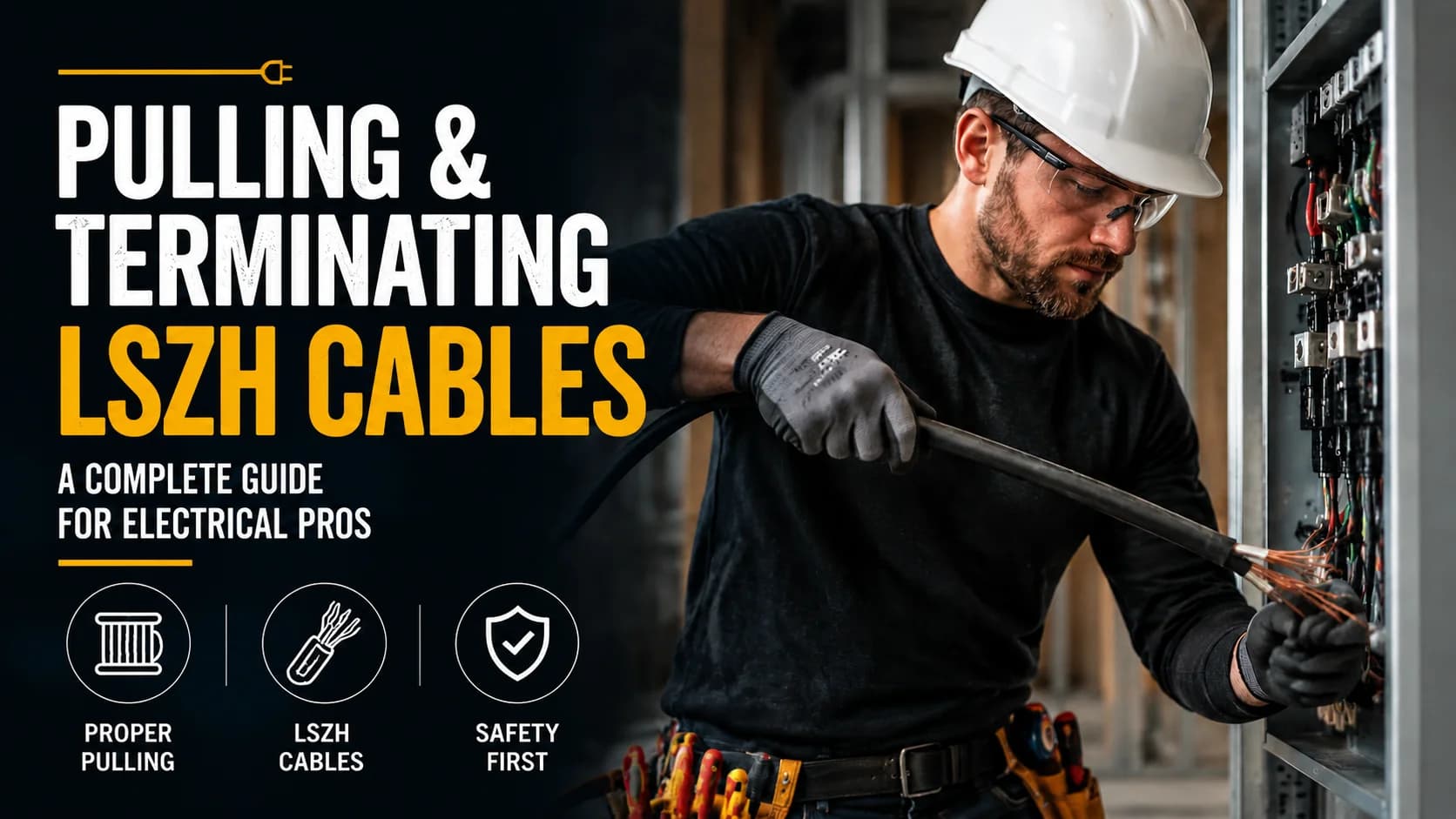
Struggling with stiff LSZH cables? Discover expert guidelines on jacket flexibility, cold weather acclimatization, pulling lubricants, and termination tips to avoid micro-cracks.
Low Smoke Zero Halogen cables have rapidly become the mandatory standard for modern infrastructure, particularly in commercial buildings, data centers, and underground transit systems. Their ability to emit minimal smoke and no toxic halogen gases during a fire saves lives and protects sensitive electronic equipment.
However, ask any field engineer or EPC contractor about their experience with these cables, and you will quickly hear a common technical complaint: jacket stiffness. Pulling LSZH cables is often noticeably more difficult than working with traditional PVC alternatives.
If not handled correctly, this stiffness can lead to jacket cracking, compromised insulation, and costly installation delays. In this guide, we will explore the root causes of this rigidity, share a real-world case study from our engineering team, and provide expert LSZH cable installation guidelines to ensure seamless pulling and terminating on your next project.
Why Are LSZH Cables Stiffer Than Standard PVC?
To understand how to overcome the challenges of installation, it is crucial to first understand the material science behind the cable jacket. The difference in LSZH vs PVC flexibility comes down to the chemical composition required to achieve fire retardancy.
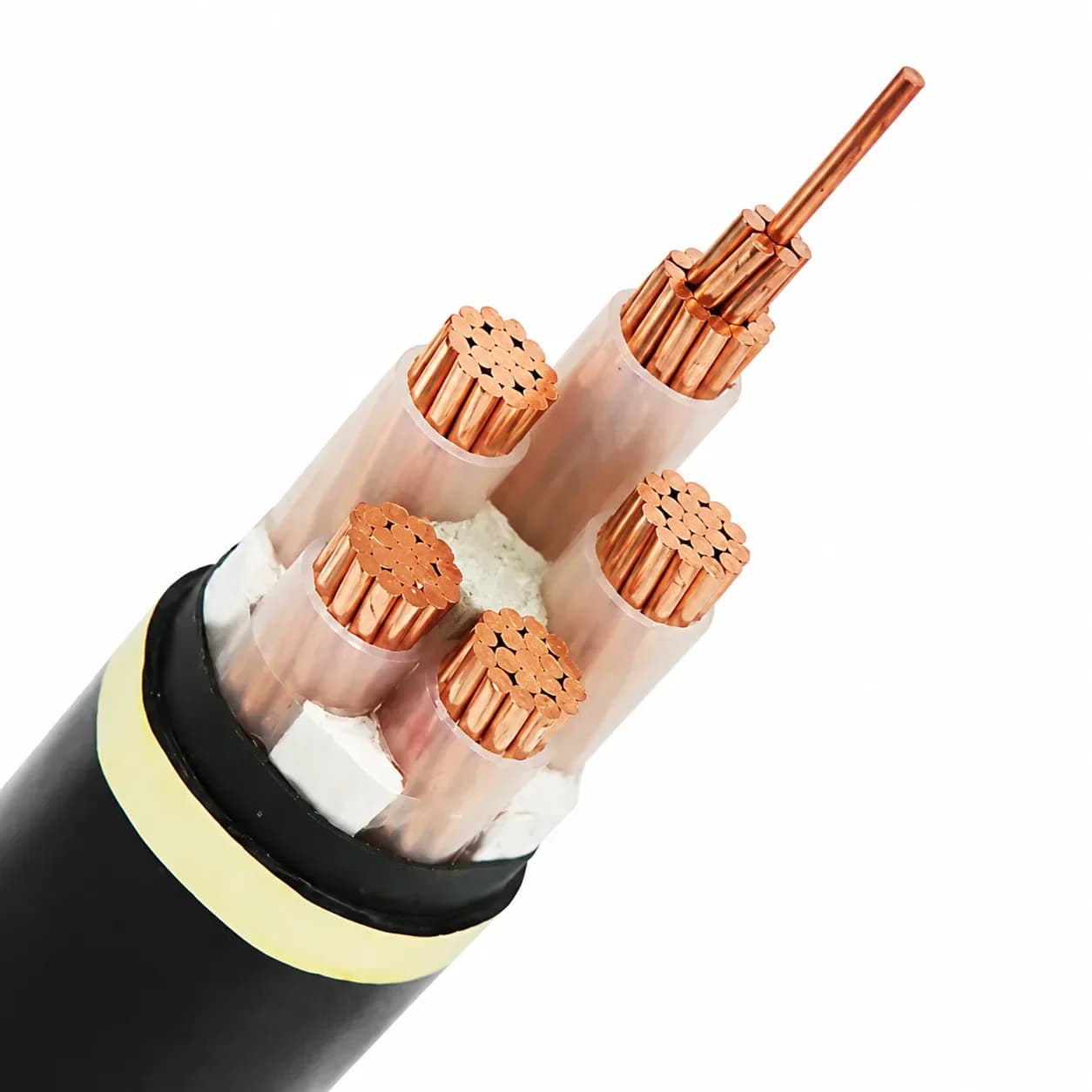
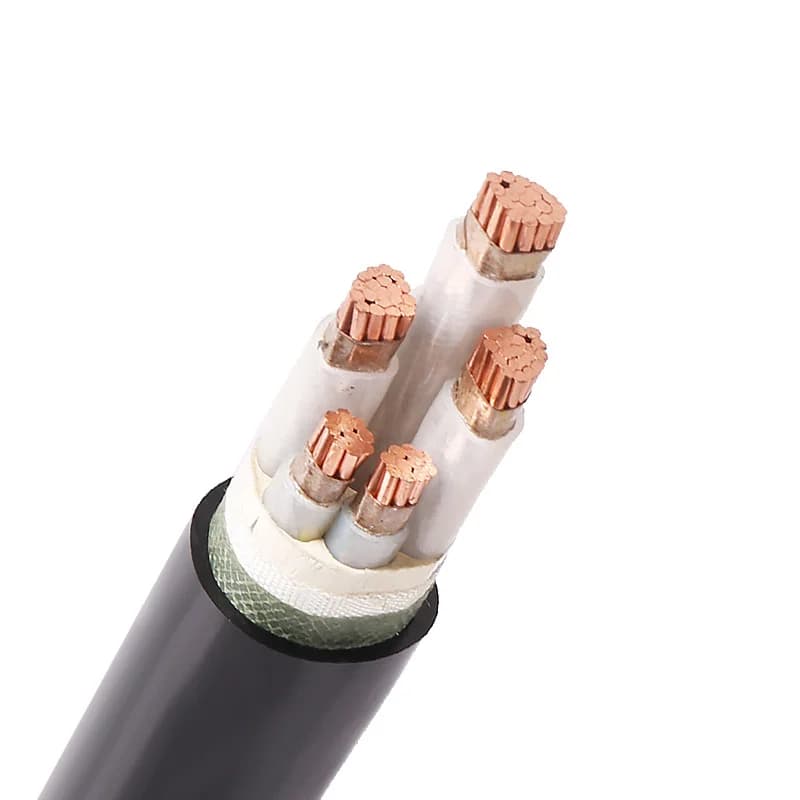
Standard PVC cables, such as typical XLPE insulated, PVC sheathed power cables, are inherently flame-retardant due to their chlorine content. To achieve the same or better fire performance in zero-halogen materials while complying with strict international standards like IEC 61034 for smoke emission,manufacturers should heavily load the base polymer with inorganic mineral fillers—most commonly Aluminum Trihydrate (ATH) or Magnesium Hydroxide(MDH).
When exposed to extreme heat, these minerals release water vapor to cool the cable and suppress the flame. However, this heavy mineral loading directly reduces the elasticity of the polymer chain, resulting in a significantly stiffer jacket with a higher coefficient of friction.
Installation Parameter | Standard PVC Cables (e.g., typical YJV) | LSZH Cables (Heavily Mineral-Filled) | Critical Field Action Required |
Jacket Flexibility | High (Easier to route and bend) | Low (Noticeably stiffer and more rigid) | Anticipate higher resistance during conduit pulls; never force the cable through tight angles. |
Minimum Bending Radius | Standard (Tighter bends generally tolerated) | Larger (Requires wider sweeps to prevent damage) | Always use large-radius pulleys; strictly verify the multiplier on the manufacturer’s datasheet. |
Pulling Lubricant Compatibility | Broad (Compatible with most wax/oil-based types) | Restricted (Sensitive to chemical degradation) | Specify only water-based or specialized silicone-based zero-halogen lubricants. |
Cold Weather Handling | Forgiving (Maintains moderate elasticity in cold) | High Risk (Prone to embrittlement and cracking) | Acclimatize reels in a heated indoor environment (>15°C) for at least 24 hours prior to unspooling. |
Stripping Tool Wear | Normal (Standard tool lifecycle) | Accelerated (Abrasive fillers dull blades rapidly) | Utilize professional-grade, depth-adjustable stripping tools and replace blades frequently. |
Real-World Experience: Overcoming Installation Challenges in a Commercial Bank Project
Understanding theory is one thing, but field execution is where true expertise is tested.
Recently, HongCe Cables supplied a batch of premium LSZH power cables for a high-profile commercial bank building. During the initial laying phase, the on-site contractors—who were highly experienced but primarily accustomed to the flexibility of standard PVC cables—forcefully bent the LSZH cables through tight conduit corners without adjusting their pulling techniques.
This improper handling and excessive physical force exceeded the cable's physical limits, leading to "stress whitening" and structural micro-cracks on the outer jacket.
Upon receiving the field report, HongCe Cables immediately dispatched our technical engineering team to the construction site. We bridged the gap between manufacturing specifications and field execution. By reviewing our detailed technical datasheets face-to-face with the construction crew, we highlighted the critical differences in bending radius and tension limits between LSZH and standard cables.
Once the construction team confirmed the datasheet parameters, they promptly modified their laying methodology—adjusting the conduit routing and utilizing wider pulleys. The rest of the LSZH cables were successfully pulled and terminated without a single issue, keeping the project on schedule and solidifying a highly successful partnership based on technical trust.
Essential Preparation Before Pulling LSZH Cables
As our case study illustrates, successful cable installation always begins before the cable even touches the conduit.
Strictly Observing the Minimum Bending Radius
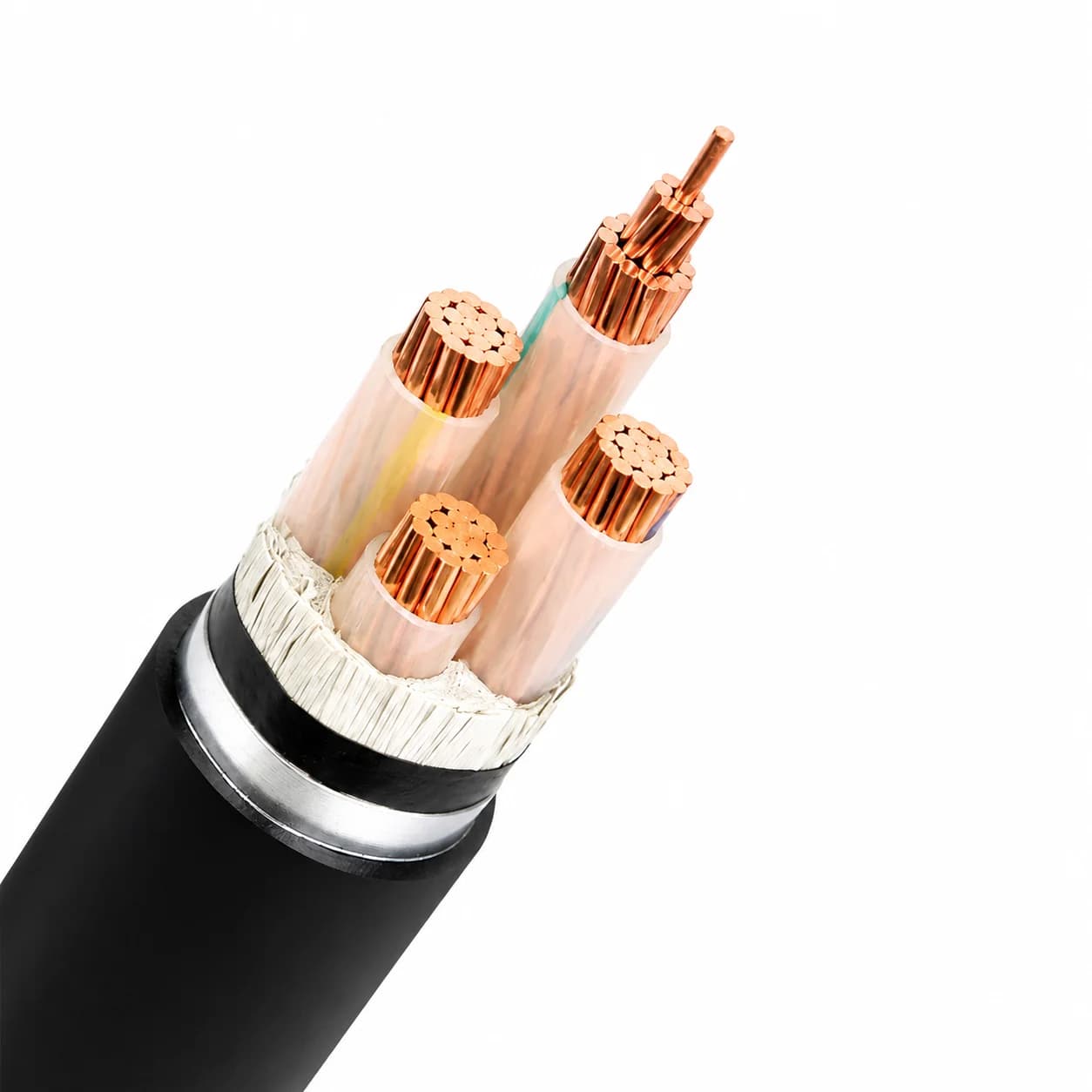
Because of the mineral fillers, the minimum bending radius for LSZH cables is larger than that of standard cables. This is especially true when working with armored cables where the rigidity of the steel wire or tape armor compounds the stiffness of the LSZH jacket.
Best Practice: Always consult the manufacturer's data sheet. Forcing a tighter bend will cause micro-fractures that compromise the cable's moisture and fire resistance.
The National Electrical Manufacturers Association (NEMA) provides excellent baseline guidelines for cable bend radii, but the specific manufacturer's datasheet must always take precedence.
Temperature Acclimatization
Cold weather is the enemy of LSZH materials. Attempting to unroll or pull a freezing cable will almost certainly result in LSZH jacket cracking.
Best Practice: Store cable reels in a heated indoor environment (ideally above 15°C / 59°F) for at least 24 hours prior to installation so the polymer can regain its elasticity.
Expert Best Practices for Pulling LSZH Cables

Choosing the Right Cable Pulling Lubricant
Never assume that your standard PVC lubricant will work. Many traditional oil-based lubricants can chemically interact with zero-halogen polymers, causing the jacket to swell or degrade. Always select a cable pulling lubricant for LSZH (typically water-based or silicone-based) to mitigate the naturally high surface friction.
Managing Pulling Tension
Given the increased friction, pulling tension will naturally be higher. Exceeding the maximum allowable pulling tension can stretch the copper conductors or tear the sheath. Utilize a mechanical winch equipped with a tension dynamometer, and stop the pull if tension approaches the maximum limit to investigate for blockages.
Tips for Stripping and Terminating LSZH Cables
Terminating zero halogen cables requires extra care to ensure the integrity of the connection.
The abrasive nature of the mineral fillers will dull standard stripping blades much faster than PVC. Use highly sharpened, professional-grade stripping tools with adjustable depth stops. Instead of scoring the jacket deeply (which risks cutting the insulation), score it lightly and flex the jacket to snap it
along the score line. Additionally, ensure you specify LSZH cable glands that carry the same fire ratings as the cable itself to maintain the system's overall fire integrity.
Partner with Hongce Cables for Proven Expertise
At Hongce Cables, we don't just supply products; we supply engineering solutions. Our R&D team continuously refines our LSZH polymer formulations to strike the perfect balance—delivering uncompromising international fire safety standards while maximizing flexibility for the installer.
We stay closely connected to the demands of global EPC projects. In May 2026, the chairman of Hongce Cables visited Singapore alongside a regional business association to evaluate green energy infrastructure and international cooperation opportunities. This proactive market engagement ensures that our cable designs meet the rigorous ESG and compliance requirements of the Southeast Asian market and beyond.
Don't let stiff, hard-to-manage cables or a lack of technical support slow down your project timeline. Contact the technical team at Hongce Cables today to discuss your project requirements, request product samples, and ensure your next installation is backed by hands-on expertise.
About the Author
Junjie Cheng – Senior Cable Engineer at Hongce Cable Junjie Cheng is the Senior Cable Engineer at Zhejiang Hongce Cable Co., Ltd., specializing in power cable design, manufacturing processes, and international quality control. He leads Hongce Cable’s technical team to deliver customized cabling solutions for global infrastructure and power grids. Mr. Cheng specializes in the engineering of medium-to-high voltage cables. He recently spearheaded the successful technical review and production of a RMB 5.5 million (approx. USD 760K) export project to Malaysia, delivering high-performance YJLV 6/10KV 3*150 mm² XLPE insulated aluminum power cables. His deep expertise in triple-layer co-extrusion and drum twister cabling guaranteed the strict mechanical and electrical performance required for Malaysia's power environment. Under his technical guidance, Hongce Cable ensures all products comply with IEC, BS, ASTM, and CE certifications, providing safe, efficient, and certified power transmission solutions to global B2B buyers.